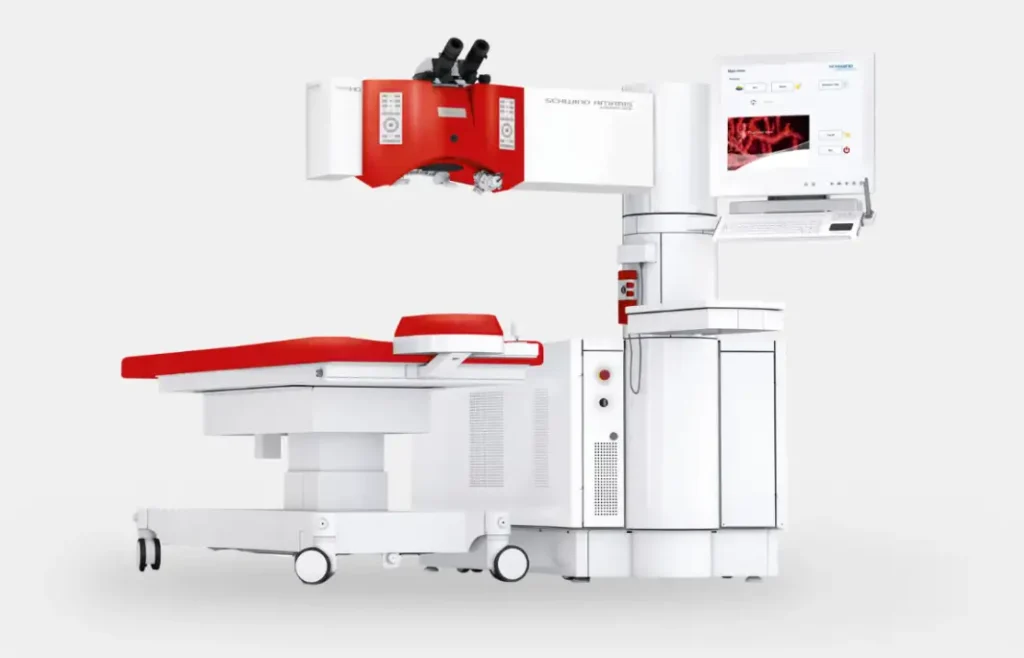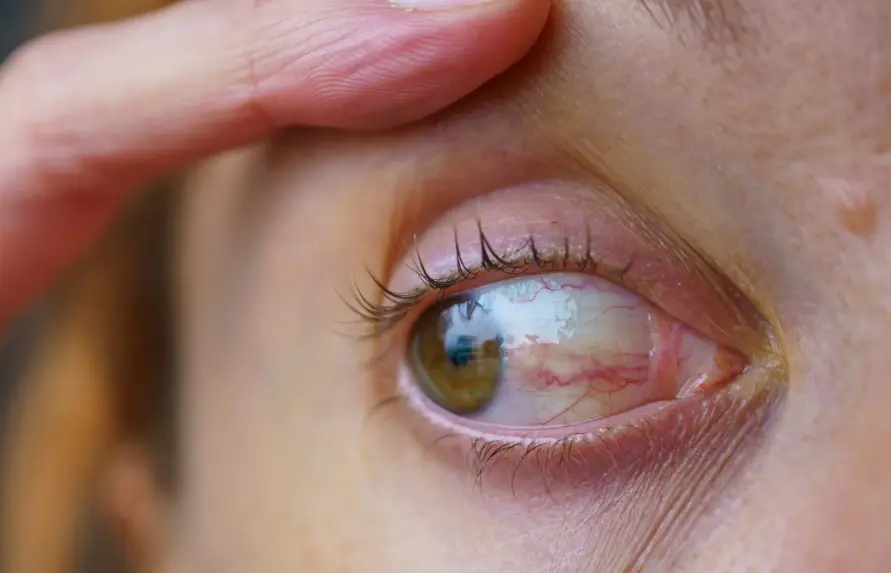
Eye diseases and conditions in Gangnam Seoul include dry eye disease, cataracts, glaucoma, retinal disorders, corneal diseases, and refractive errors. Advanced ophthalmology clinics in Gangnam provide early diagnosis using OCT imaging, visual field testing, and evidence-based treatments to prevent vision loss and improve long-term eye health.
koreaeyeclinic.com
If you are searching for information about eye diseases and conditions in Gangnam, Seoul, Korea, the short answer is this: Gangnam is one of Korea’s most advanced ophthalmology districts, offering comprehensive diagnosis and treatment for common and complex eye disorders including dry eye disease, cataracts, glaucoma, retinal diseases, corneal disorders, and pediatric vision problems. Clinics in Gangnam, located in Seoul, are equipped with high-resolution imaging, OCT scanning, visual field testing, and microsurgical systems that support early detection and evidence-based treatment.
This 2026 expert guide explains the most common eye conditions treated in Gangnam, their causes, symptoms, diagnostic methods, treatment options, and when to seek specialist care.
Table of Contents
Why Gangnam Is a Leading Ophthalmology Hub
Gangnam has developed into a high-volume medical district known for:
- Board-certified ophthalmologists with subspecialty training
- Advanced diagnostic platforms (OCT, corneal tomography, fundus photography)
- Minimally invasive microsurgery systems
- Structured patient screening and follow-up programs
- Access to both public and private tertiary care centers
High procedural volume improves diagnostic accuracy and complication management, particularly in retinal and glaucoma care.
Most Common Eye Diseases and Conditions in Gangnam
Below is a clinically structured overview of the most frequently treated eye disorders.
1. Dry Eye Disease (DED)
Definition
Dry eye disease is a multifactorial condition where tears fail to adequately lubricate the eye due to tear deficiency or excessive evaporation.
Causes
- Meibomian gland dysfunction
- Prolonged screen use
- Aging
- Contact lens wear
- Post-refractive surgery
- Environmental pollution
Urban lifestyles in Seoul contribute to high dry eye prevalence.
Symptoms
- Burning sensation
- Gritty feeling
- Blurred vision
- Light sensitivity
- Eye fatigue
Diagnosis in Gangnam Clinics
- Tear break-up time (TBUT)
- Meibography imaging
- Schirmer test
- Ocular surface staining
Treatment
- Preservative-free artificial tears
- Lipid-based eye drops
- Intense Pulsed Light (IPL) therapy
- Punctal plugs
- Prescription anti-inflammatory drops
2. Cataracts
Definition
A cataract is the clouding of the natural eye lens, leading to blurred or dim vision.
Risk Factors
- Aging
- Diabetes
- Smoking
- UV exposure
Symptoms
- Gradual vision decline
- Glare at night
- Faded colors
Modern Treatment in Seoul
Phacoemulsification with intraocular lens (IOL) implantation is the standard. Premium IOL options include:
- Multifocal lenses
- Toric lenses for astigmatism
- Extended depth-of-focus lenses
Cataract surgery in Gangnam typically takes 10–15 minutes with rapid visual recovery.
3. Glaucoma
Definition
Glaucoma is progressive optic nerve damage often associated with elevated intraocular pressure (IOP).
Why It Is Dangerous
It causes irreversible vision loss and may remain asymptomatic until advanced stages.
Types
- Open-angle glaucoma
- Angle-closure glaucoma
- Normal-tension glaucoma
Diagnosis
- Tonometry
- Visual field testing
- Optical Coherence Tomography (OCT)
Treatment
- Pressure-lowering eye drops
- Laser trabeculoplasty
- Minimally invasive glaucoma surgery (MIGS)
- Traditional filtration surgery
Gangnam clinics emphasize early detection to prevent permanent vision damage.
4. Retinal Diseases
Common Retinal Conditions
Diabetic Retinopathy
Damage to retinal blood vessels due to diabetes.
Macular Degeneration (AMD)
Degeneration of central retina affecting detailed vision.
Retinal Detachment
Separation of retina from underlying tissue—medical emergency.
Diagnostic Tools
- OCT scanning
- Fundus photography
- Fluorescein angiography
Treatment
- Intravitreal anti-VEGF injections
- Laser photocoagulation
- Vitrectomy surgery
Gangnam retina centers often manage high volumes of diabetic patients.
5. Refractive Errors
Types
- Myopia (nearsightedness)
- Hyperopia (farsightedness)
- Astigmatism
- Presbyopia
Treatment Options
- Glasses and contact lenses
- Laser vision correction (SMILE, LASIK, LASEK)
- Implantable Collamer Lenses (ICL)
Gangnam is internationally known for refractive surgery specialization.
6. Corneal Diseases
Keratoconus
Progressive thinning and bulging of the cornea.
Corneal Infections
Often related to contact lens misuse.
Treatment
- Corneal cross-linking
- Specialty contact lenses
- Corneal transplantation (in advanced cases)
Early detection through corneal topography is critical.
7. Pediatric Eye Conditions
Common issues include:
- Amblyopia (lazy eye)
- Strabismus (eye misalignment)
- Myopia progression
Gangnam pediatric ophthalmology clinics offer:
- Vision therapy
- Atropine treatment
- Orthokeratology lenses
When to See an Eye Specialist in Gangnam
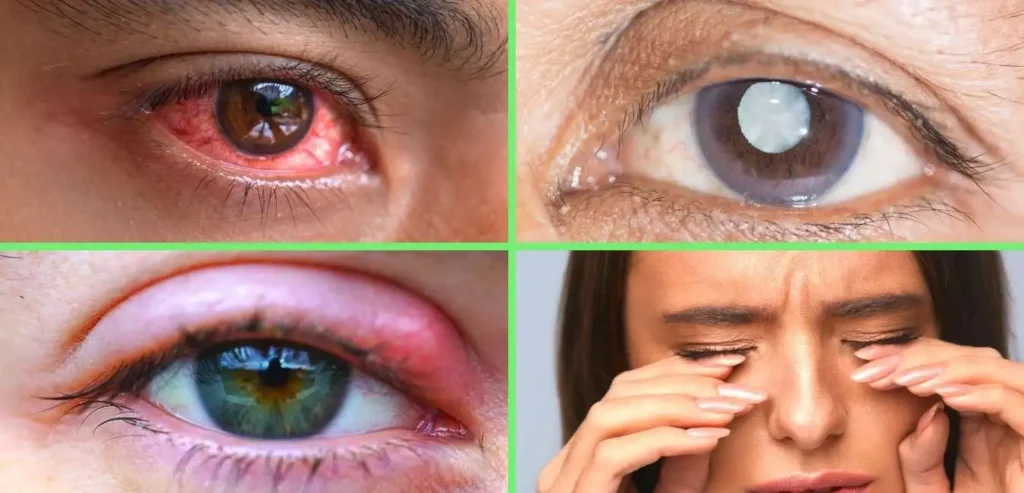
Seek immediate care if you experience:
- Sudden vision loss
- Severe eye pain
- Flashing lights or floaters
- Eye trauma
- Sudden redness with vision change
Routine eye exams are recommended annually for adults over 40.
Advanced Diagnostic Technology Available in Gangnam
Most leading clinics use:
- Optical Coherence Tomography (OCT)
- Corneal tomography (Pentacam)
- Visual field analyzers
- Endothelial cell counters
- Ultrasound biomicroscopy
These tools allow early disease detection before symptoms appear.
Real Clinical Scenario
A 52-year-old patient presents with blurred night vision and glare.
Diagnostic findings:
- Early cataract formation
- Mild dry eye
Management plan:
- Ocular surface optimization
- Cataract surgery with premium IOL
- Postoperative dry eye therapy
Outcome:
- 20/20 corrected vision
- Improved contrast sensitivity
This integrated approach reflects standard care in high-volume Gangnam centers.
Cost Overview (2026 Estimates)
| Condition | Approximate Cost (KRW) |
|---|---|
| Basic eye exam | 30,000–80,000 |
| Dry eye treatment (IPL) | 150,000–300,000 per session |
| Cataract surgery | 2–6 million (depending on IOL) |
| Glaucoma laser | 500,000–1.5 million |
| Retina injection | 300,000–1 million per injection |
Costs vary by technology and facility type.
Evidence-Based Standards
Treatment protocols in Korea follow international guidelines from:
- American Academy of Ophthalmology (AAO)
- European Society of Cataract & Refractive Surgeons (ESCRS)
- Korean Ophthalmological Society
Clinics in Seoul maintain strict sterilization and regulatory compliance.
Conclusion
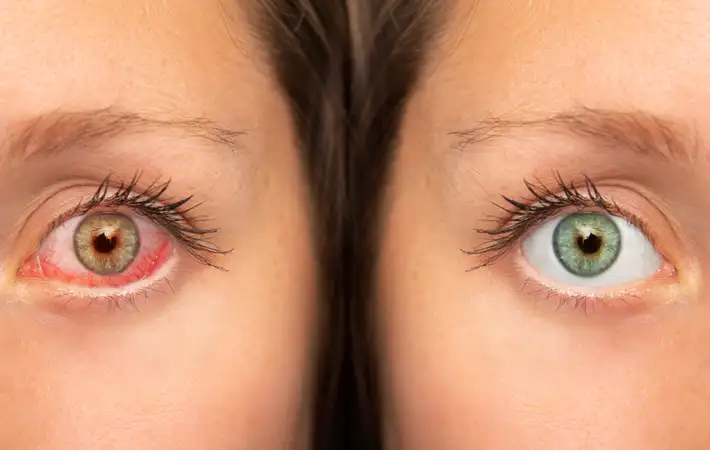
Eye diseases and conditions in Gangnam, Seoul, Korea are managed using advanced imaging, specialized expertise, and evidence-based surgical and medical protocols. From dry eye management to complex retinal surgery, Gangnam remains one of Asia’s leading ophthalmology centers.
Early diagnosis is critical. Annual eye examinations significantly reduce the risk of irreversible vision loss.
FAQs
What are the most common eye diseases and conditions in Gangnam Seoul?
The most common eye diseases and conditions in Gangnam Seoul include dry eye disease, cataracts, glaucoma, retinal disorders, and refractive errors. Ophthalmology clinics in Gangnam use advanced imaging technology to detect common eye disorders in Korea at early stages.
When should I visit an ophthalmology clinic in Gangnam?
You should visit ophthalmology clinics in Gangnam if you experience blurred vision, eye pain, sudden vision loss, flashing lights, or persistent dryness. Early evaluation helps prevent complications from common eye disorders in Korea.
Are eye treatments in Seoul Korea safe and advanced?
Yes. Eye treatment in Seoul Korea follows international clinical guidelines and uses modern diagnostic tools such as OCT and visual field testing. Gangnam clinics are known for structured screening and evidence-based management.
Can glaucoma and retinal diseases be treated in Gangnam Seoul?
Glaucoma and retinal diseases can be managed in Gangnam Seoul through early detection, pressure-lowering treatments, laser therapy, and intravitreal injections. Advanced ophthalmology clinics in Gangnam focus on preventing irreversible vision loss.
Do international patients receive care for eye diseases in Gangnam Seoul?
Yes. Many ophthalmology clinics in Gangnam provide multilingual consultations and comprehensive care for international patients seeking diagnosis and eye treatment in Seoul Korea.