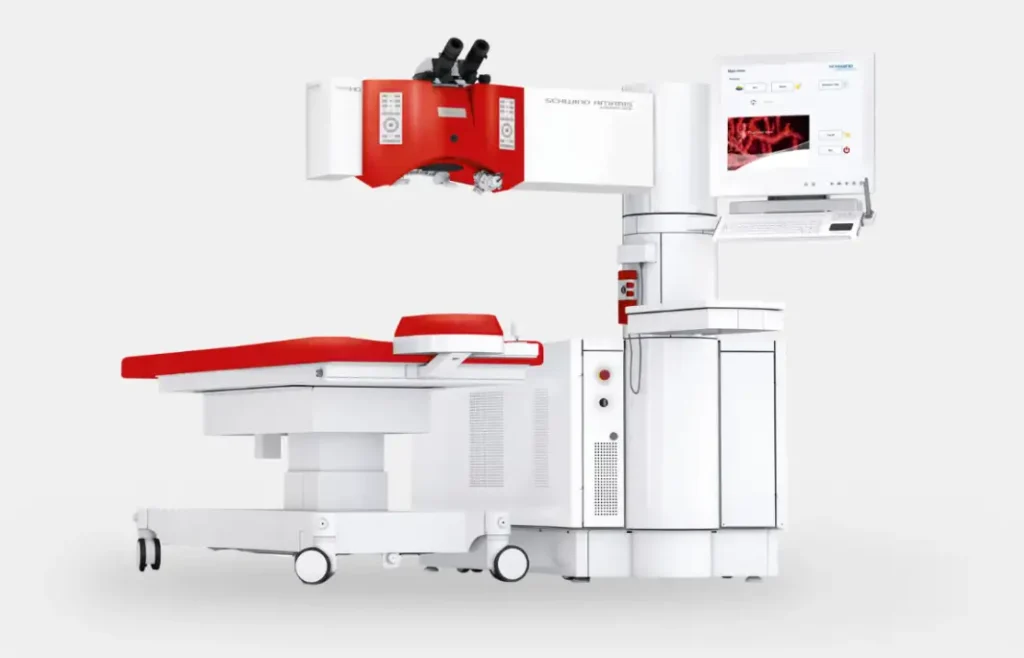
‘SMILE LASIK’ in Gangnam Seoul is a minimally invasive laser eye surgery that corrects myopia and astigmatism using a small-incision femtosecond laser technique. It offers faster recovery, reduced dry eye risk, and high visual accuracy, making Gangnam a leading destination for advanced vision correction in Korea.
koreaeyeclinic.com
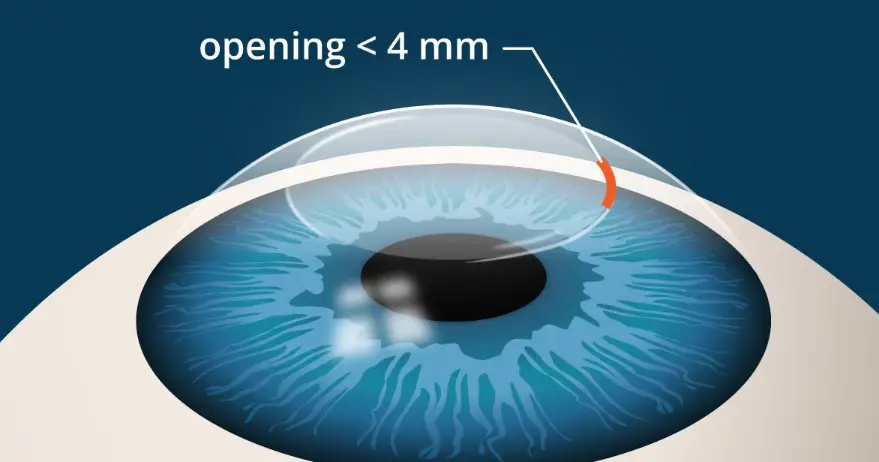
‘SMILE LASIK’ in Gangnam, Seoul, Korea refers to Small Incision Lenticule Extraction (‘SMILE LASIK’), a minimally invasive laser vision correction procedure widely performed in Korea’s medical hub, Gangnam, within Seoul. It corrects myopia (nearsightedness) and astigmatism by reshaping the cornea through a tiny 2–4 mm incision, without creating a large corneal flap as in traditional ‘LASIK’.
Patients choose Gangnam for ‘SMILE LASIK’ due to high surgical volume, advanced femtosecond laser platforms (such as the VisuMax system), comprehensive pre-operative screening, and internationally experienced refractive surgeons. When properly indicated, ‘SMILE LASIK’ offers fast visual recovery, minimal dry eye risk compared to flap-based ‘LASIK’, and long-term refractive stability supported by peer-reviewed clinical data.
Table of Contents

What Is ‘SMILE LASIK’?
‘SMILE LASIK’ (Small Incision Lenticule Extraction) is a third-generation refractive surgery technique developed by Carl Zeiss Meditec and first introduced clinically in 2011. Unlike conventional LASIK, which uses two laser systems (femtosecond + excimer), ‘SMILE LASIK’ uses a single femtosecond laser to:
- Create a thin lens-shaped disc (lenticule) inside the cornea
- Form a small peripheral incision
- Remove the lenticule manually through the incision
Removing this tissue reshapes the cornea and corrects refractive error.
Key Difference from ‘LASIK’
| Feature | ‘SMILE LASIK’ | Traditional ‘LASIK’ |
|---|---|---|
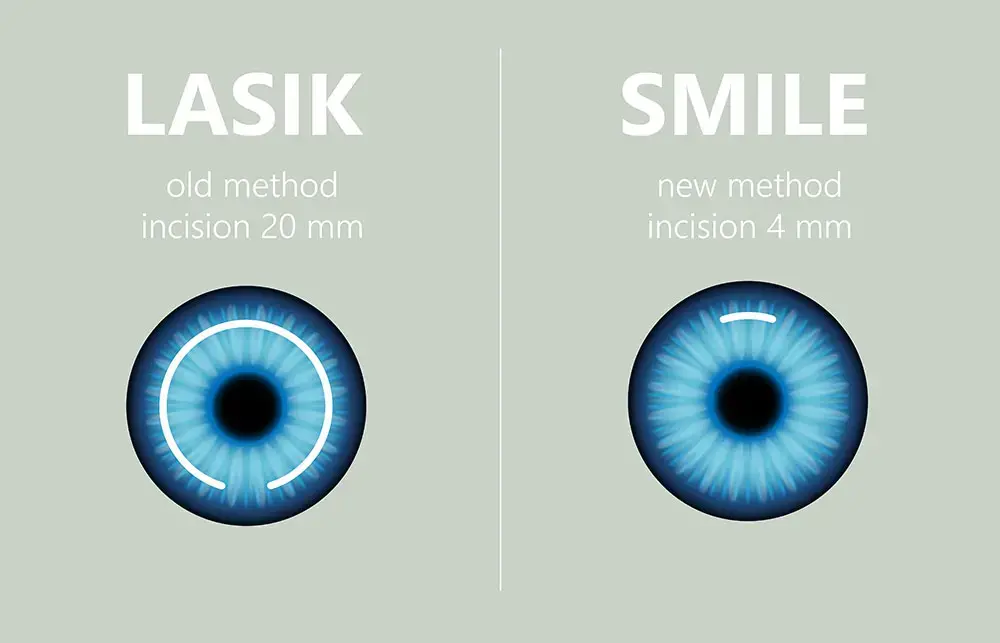
| Corneal flap | No flap | Large corneal flap |
| Incision size | 2–4 mm | ~20 mm flap |
| Laser types | Femtosecond only | Femtosecond + Excimer |
| Dry eye risk | Lower | Higher |
| Biomechanical stability | Better preserved | Slightly reduced |
Because no flap is created, corneal nerves are less disrupted. Multiple 5+ year follow-up studies published in journals such as Journal of Refractive Surgery and Ophthalmology show stable outcomes and high patient satisfaction.
Why Is Gangnam a Leading Destination for ‘SMILE LASIK’?
1. High Surgical Volume and Experience
Gangnam is home to numerous refractive eye centers performing thousands of laser vision procedures annually. High procedural volume correlates with:
- Improved surgeon skill refinement
- Better complication management
- Advanced diagnostic equipment investment
In refractive surgery, experience significantly impacts safety and outcomes. Surgeons performing >1,000 ‘SMILE’ cases typically demonstrate lower enhancement rates.
2. Advanced Diagnostic Screening
Modern Gangnam clinics use:
- Corneal topography & tomography (Pentacam)
- Wavefront aberrometry
- Ocular surface analysis
- Tear film assessment
- Corneal biomechanics measurement
This screening identifies patients at risk for keratoconus or post-‘LASIK’ ectasia — a rare but serious complication.
3. Structured Patient Protocols
Well-established centers follow standardized protocols:
- 2–3 hour comprehensive evaluation
- Surgeon-led candidacy confirmation
- Customized surgical planning
- Post-op follow-ups at Day 1, Week 1, Month 1, and 3–6 months
Who Is a Good Candidate for ‘SMILE LASIK’?
‘SMILE LASIK’ is best suited for:
- Age 18–45
- Stable prescription for 1+ year
- Myopia up to approximately −10.00D
- Astigmatism up to approximately −5.00D
- Adequate corneal thickness
Not Ideal Candidates
- Advanced dry eye disease
- Keratoconus or corneal instability
- Severe hyperopia (SMILE currently focuses mainly on myopia)
- Autoimmune disease affecting wound healing
A full diagnostic exam in Seoul determines eligibility — not online estimates or marketing claims.
How the Procedure Works (Step-by-Step)
Total procedure time: 10–15 minutes
- Topical anesthetic drops applied
- Femtosecond laser creates lenticule (20–30 seconds)
- 2–4 mm incision made
- Surgeon removes lenticule manually
- Vision clears within hours
Patients remain awake. No stitches are required.
Most individuals notice clearer vision within 24–48 hours, with functional vision often achieved the next day.
Recovery Timeline
| Time After Surgery | What to Expect |
|---|---|
| Day 1 | Mild light sensitivity, watery eyes |
| 1 Week | Vision stabilizing |
| 1 Month | Significant clarity |
| 3–6 Months | Full stabilization |
Compared to traditional ‘LASIK’, ‘SMILE LASIK’ patients often report:
- Less dryness
- Faster return to normal activities
- Reduced glare symptoms
Clinical Outcomes and Safety Data
Published data from multicenter trials and 10-year follow-ups demonstrate:
- 95–98% achieve 20/20 or better uncorrected vision
- Enhancement rate <5%
- Low incidence of severe complications (<1%)
Corneal biomechanical studies show stronger structural integrity compared to flap-based ‘LASIK’.
However, ‘SMILE LASIK’ is not risk-free.
Risks and Potential Complications
Even in expert hands, possible risks include:
- Undercorrection or overcorrection
- Temporary dry eye
- Night halos or glare
- Infection (rare)
- Diffuse lamellar keratitis (very rare)
- Ectasia (extremely rare with proper screening)
In Gangnam’s high-standard clinics, strict sterilization and advanced screening significantly reduce complication risk.
Cost of ‘SMILE LASIK’ in Gangnam (2026)
Average pricing range:
- 1.8 to 3.5 million KRW (both eyes)
- Equivalent to approximately $1,400–$2,700 USD
Price variation depends on:
- Surgeon experience
- Diagnostic package depth
- Laser technology generation
- Post-operative care duration
Be cautious of unusually low prices that may compromise diagnostic thoroughness.
‘SMILE LASIK’ vs. ‘LASIK’ vs. LASEK in Seoul
‘SMILE LASIK’
- Minimally invasive
- Lower dry eye risk
- Faster recovery
- Ideal for moderate to high myopia
‘LASIK’
- Long track record
- Rapid visual recovery
- More options for hyperopia
‘LASEK’ (PRK variant)
- No flap
- Longer recovery
- Good for thin corneas
In Gangnam, surgeons tailor recommendations after corneal imaging — not marketing trends.
Real-World Clinical Example
A 29-year-old software engineer in Seoul with −6.50D myopia and moderate dry eye symptoms may be better suited for ‘SMILE LASIK’ than ‘LASIK’ due to reduced nerve disruption.
After comprehensive screening:
- Surgery duration: 12 minutes
- Return to work: 3 days
- 1-month vision: 20/20
- Minimal dry eye complaints
This reflects typical real-world outcomes in experienced centers.
Choosing a Clinic
When selecting a Gangnam ‘SMILE LASIK’ center, verify:
- Board-certified ophthalmologist
- Documented ‘SMILE LASIK’ case volume
- Transparent complication data
- FDA/CE-approved laser systems
- Structured follow-up care
Avoid relying solely on influencer marketing or promotional pricing.
Long-Term Outcomes (10+ Years Data)
Emerging 10-year data show:
- High refractive stability
- Low regression rate
- Rare late complications
Corneal structural modeling studies confirm better tensile strength preservation versus flap-based procedures.
Conclusion
‘SMILE LASIK’ in Gangnam, Seoul represents one of the most advanced and experience-driven refractive surgery environments globally. With high surgical volume, advanced diagnostics, strict screening, and internationally recognized ophthalmologists, Gangnam offers strong safety and outcome profiles when procedures are performed in reputable centers.
‘SMILE LASIK’ is particularly suitable for myopic patients seeking minimally invasive correction with reduced dry eye risk and strong long-term stability. However, candidacy must be determined through comprehensive corneal evaluation.
Patients should prioritize surgeon expertise, diagnostic thoroughness, and transparent safety data over promotional pricing.
FAQs
What is ‘SMILE LASIK’ in Gangnam Seoul and how does it work?
‘SMILE LASIK’ in Gangnam Seoul is a minimally invasive laser eye surgery that corrects myopia and astigmatism by removing a small corneal lenticule through a 2–4 mm incision. Unlike traditional ‘LASIK’, it does not create a corneal flap, reducing dry eye risk and improving corneal stability.
How much does ‘SMILE LASIK’ cost in Gangnam, Korea?
The average ‘SMILE LASIK’ cost in Korea ranges from 1.8 to 3.5 million KRW for both eyes. Laser eye surgery in Gangnam pricing depends on surgeon experience, diagnostic screening quality, and post-operative care services.
Is SMILE eye surgery recovery faster than LASIK in Seoul?
Yes. SMILE eye surgery recovery in Seoul is typically faster and more comfortable than traditional ‘LASIK’. Most patients regain functional vision within 24–48 hours, with reduced dryness and fewer flap-related complications.
Who is a good candidate for ‘SMILE LASIK’ in Gangnam Seoul?
Ideal candidates for ‘SMILE LASIK’ in Gangnam Seoul are adults with stable myopia or astigmatism, adequate corneal thickness, and no active eye disease. Comprehensive diagnostic testing in Gangnam clinics determines eligibility safely.
Why choose Gangnam for ‘SMILE LASIK’ instead of other countries?
Gangnam is considered a global hub for laser eye surgery due to high procedure volume, advanced femtosecond laser technology, experienced surgeons, and structured follow-up systems. Many international patients travel to Seoul for precise and competitively priced ‘SMILE LASIK’ treatment.