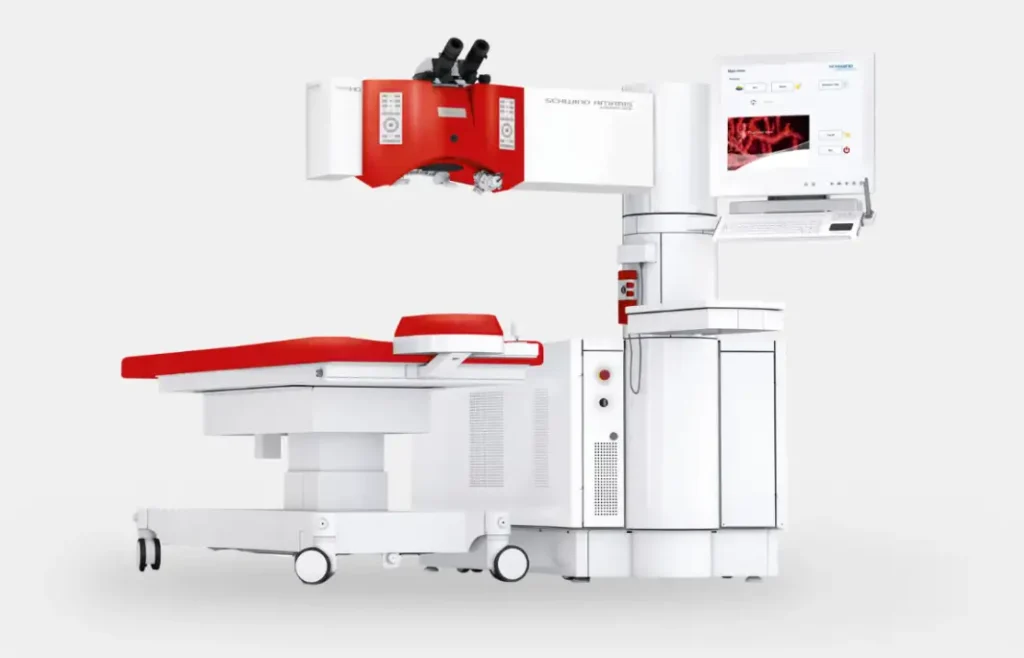
‘Today LASEK’ in Gangnam Seoul is a surface laser eye surgery that corrects myopia and astigmatism without creating a corneal flap. It is ideal for patients with thin corneas or dry eyes, offering strong long-term stability and structural safety when performed by experienced surgeons.
koreaeyeclinic.com
If you are considering ‘Today LASEK’ in Gangnam, Seoul, Korea, the short answer is this: modern ‘LASEK’ (Laser-Assisted Sub-Epithelial Keratectomy) remains one of the safest and most structurally conservative laser vision correction procedures available in 2026—particularly suitable for patients with thin corneas, dry eyes, or higher-risk corneal profiles. In Gangnam, a major medical district of Seoul, advanced diagnostic screening, high surgical volumes, and standardized protocols contribute to strong safety outcomes and predictable visual results.
Unlike flap-based ‘LASIK’, ‘LASEK’ reshapes the cornea without creating a corneal flap. This preserves more biomechanical integrity, reduces flap-related complications, and makes it a preferred option for specific patient groups. However, recovery is longer compared to ‘SMILE’ or ‘LASIK’, and understanding this trade-off is essential before proceeding.
Table of Contents

What Is ‘LASEK’?
‘LASEK’ (Laser-Assisted Sub-Epithelial Keratectomy) is a surface ablation laser eye surgery that corrects myopia, astigmatism, and mild hyperopia by:
- Loosening the corneal epithelium using diluted alcohol
- Gently lifting the epithelial layer
- Reshaping the corneal stroma with an excimer laser
- Repositioning the epithelium
- Placing a protective contact lens during healing
Unlike ‘LASIK’, no corneal flap is created. The epithelium regenerates naturally over several days.
Why Patients Choose ‘Today LASEK’ in Gangnam
Gangnam has become a refractive surgery hub due to:
- High case volumes (improves surgeon precision and complication management)
- Advanced corneal imaging (Pentacam, OCT, epithelial thickness mapping)
- Strict screening to prevent post-surgical ectasia
- Customized laser profiles (wavefront-guided or topography-guided ablation)
In clinical practice, ‘LASEK’ is frequently recommended for:
- Thin corneas unsuitable for ‘LASIK’
- Patients with higher dry eye risk
- Military personnel or contact sports athletes
- Patients concerned about flap-related complications
Who Is a Good Candidate for ‘LASEK’?
Ideal Candidates
- Age 18–45
- Stable prescription for at least 12 months
- Mild to high myopia
- Mild to moderate astigmatism
- Thin cornea (<500 µm in some cases)
- Dry eye symptoms
Not Ideal Candidates
- Advanced keratoconus
- Severe autoimmune disease
- Uncontrolled diabetes affecting healing
- Unrealistic expectations about recovery time
In Gangnam clinics, candidacy is determined through comprehensive testing—not marketing suitability.
How ‘LASEK’ Works (Step-by-Step Procedure)
Total surgery time: 10–20 minutes per eye
- Anesthetic eye drops applied
- Alcohol solution loosens epithelial layer
- Epithelial flap gently lifted
- Excimer laser reshapes cornea (10–30 seconds)
- Epithelium repositioned
- Bandage contact lens applied
The patient remains awake. There are no stitches.
What Makes ‘Today LASEK’ Different From Older PRK?
Modern LASEK in 2026 differs significantly from early-generation PRK:
| Feature | Older PRK | Modern ‘LASEK’ in Gangnam |
|---|---|---|
| Laser precision | Standard ablation | Wavefront/topography-guided |
| Pain management | Limited | Advanced medication protocols |
| Epithelial healing | Slower | Optimized regeneration support |
| Visual quality | Good | Reduced higher-order aberrations |
Many Gangnam centers use customized ablation patterns to reduce night glare and halos.
Recovery Timeline: What to Expect
LASEK recovery is slower than ‘SMILE’ or ‘LASIK’—but predictable.
Days 1–3
- Discomfort or burning sensation
- Light sensitivity
- Blurry vision
- Protective contact lens in place
Day 4–7
- Epithelium heals
- Bandage lens removed
- Vision begins to stabilize
1 Month
- Significant clarity improvement
3–6 Months
- Final stabilization
Most patients return to office work within 5–7 days.
Clinical Outcomes and Long-Term Stability
Peer-reviewed studies published in journals such as Ophthalmology and Journal of Refractive Surgery show:
- 90–95% achieve 20/20 or better
- Low regression rates in moderate prescriptions
- Very low ectasia risk when screening is adequate
- Stable 10+ year outcomes
Because LASEK preserves more anterior corneal fibers compared to LASIK, long-term biomechanical stability is strong.
Risks and Complications
Although safe, ‘LASEK’ carries potential risks:
- Temporary pain (3–4 days)
- Corneal haze (rare with modern protocols)
- Delayed epithelial healing
- Undercorrection or overcorrection
- Night glare during early recovery
Use of mitomycin-C in selected cases significantly reduces haze risk.
In experienced Gangnam centers, serious complications are uncommon due to rigorous screening and post-operative care.
Real Clinical Scenario
A 27-year-old patient with:
- −7.00D myopia
- Thin cornea (490 µm)
- Mild dry eye symptoms
‘LASIK’ may not be ideal due to corneal thickness. SMILE may also be limited by residual stromal bed safety margins.
In this case, ‘LASEK’ provides:
- Safe corneal thickness preservation
- Stable long-term correction
- Lower structural risk
Recovery takes longer, but visual outcome can be excellent.
Cost of ‘LASEK’ in Gangnam (2026)
Average pricing:
- 1.2 to 2.5 million KRW (both eyes)
- Approximately $900–$1,900 USD
Factors influencing cost:
- Surgeon expertise
- Laser platform generation
- Diagnostic technology
- Post-operative medication package
- Follow-up duration
Extremely discounted pricing should prompt questions about diagnostic thoroughness.
‘LASEK’ vs. ‘LASIK’ vs. ‘SMILE’ in Seoul
| Feature | ‘LASEK’ | ‘LASIK’ | ‘SMILE’ |
|---|---|---|---|
| Flap | No | Yes | No |
| Recovery speed | Slower | Fast | Fast |
| Dry eye risk | Low | Moderate | Lower |
| Thin cornea suitability | Excellent | Limited | Moderate |
| Post-op discomfort | Higher early | Minimal | Minimal |
In Gangnam clinics, surgeons recommend based on corneal mapping—not trends.
Why Gangnam Is a Refractive Surgery Hub
Gangnam is known for:
- Concentration of ophthalmology centers
- Surgeons with thousands of cases
- International patient services
- Transparent diagnostic protocols
- Advanced femtosecond and excimer laser platforms
High procedural volume improves:
- Predictability
- Enhancement rate management
- Complication response
Professional Selection Checklist
Before choosing a clinic in Gangnam:
- Confirm board-certified ophthalmologist
- Ask about total LASEK case volume
- Review corneal imaging equipment
- Request complication statistics
- Ensure structured follow-up plan
Avoid decisions based solely on influencer promotion or lowest cost.
Conclusion
Today’s ‘LASEK’ in Gangnam, Seoul represents a refined, highly precise, and structurally conservative refractive surgery option in 2026. It remains especially valuable for patients who are not ideal candidates for ‘LASIK’ or’ SMILE’ due to corneal thickness or dry eye concerns.
While recovery requires patience, long-term safety and visual outcomes are excellent when performed by experienced surgeons in high-standard medical centers.
For patients prioritizing corneal integrity and long-term biomechanical safety, ‘LASEK’ continues to be a clinically sound choice.
FAQs
What is ‘Today LASEK’ in Gangnam Seoul and how does it differ from LASIK?
‘Today LASEK‘ in Gangnam Seoul is a surface laser eye surgery that reshapes the cornea without creating a flap. Unlike ‘LASIK’, it preserves more corneal structure, making it safer for thin corneas and suitable for patients concerned about flap-related risks.
How much does ‘LASEK’ cost in Korea?
The average ‘LASEK’ cost in Korea ranges from 1.2 to 2.5 million KRW for both eyes. Laser eye surgery in Gangnam pricing varies depending on surgeon experience, diagnostic screening, and post-operative care programs.
What is the ‘LASEK’ recovery time in Seoul?
‘LASEK’ recovery time in Seoul typically involves 3–5 days of initial discomfort, with functional vision returning within about one week. Full visual stabilization may take 1–3 months, depending on healing response and prescription strength.
Who is a good candidate for Today LASEK in Gangnam Seoul?
Ideal candidates for ‘Today LASEK’ in Gangnam Seoul include patients with thin corneas, dry eye symptoms, or moderate to high myopia. Comprehensive corneal imaging in Gangnam clinics determines safe eligibility.
Is laser eye surgery in Gangnam safe for international patients?
Yes. Laser eye surgery in Gangnam is widely performed for international patients, with multilingual consultations, advanced excimer laser systems, and structured follow-up protocols ensuring high safety standards.