
Is vision correction surgery in Korea worth it?
koreaeyeclinic.com
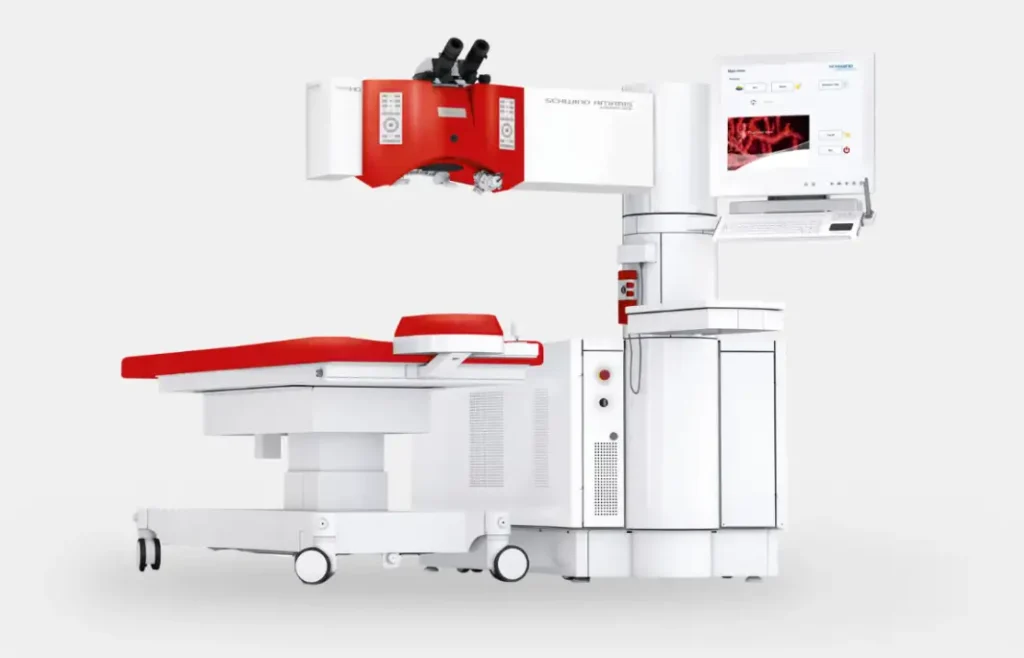
South Korea is a leading destination for vision correction surgery due to its advanced technology, experienced ophthalmologists, and competitive pricing. The best option depends on your prescription, corneal thickness, eye health, and lifestyle. SMILE is ideal for many active patients, LASEK suits thinner corneas, and ICL is often recommended for high myopia or patients who are not suitable candidates for laser surgery. A comprehensive eye examination is essential to determine the safest and most effective treatment.
Considering vision correction surgery in Korea? South Korea has become one of the world’s top destinations for refractive eye surgery, offering advanced technology, experienced ophthalmologists, and internationally recognized eye clinics. Whether you’re interested in SMILE, LASEK, or ICL, choosing the right procedure depends on factors such as your prescription, corneal thickness, lifestyle, and overall eye health. This guide explains how each treatment works, who is the ideal candidate, expected recovery, potential risks, and what international patients can expect, helping you make an informed decision with confidence.
Table of Contents

Is Vision Correction Surgery in Korea Right for You?
Yes—for many people, South Korea is one of the world’s leading destinations for vision correction surgery, offering advanced technologies, highly experienced ophthalmic surgeons, and competitive pricing compared to many Western countries.
However, the best procedure depends on your eye health, corneal thickness, prescription, lifestyle, and long-term visual goals—not simply on which surgery is newest or most popular.
The three most commonly recommended procedures today are:
- SMILE (Small Incision Lenticule Extraction) – minimally invasive laser surgery with quick recovery
- LASEK (Laser-Assisted Subepithelial Keratectomy) – ideal for patients with thinner corneas or certain occupations
- ICL (Implantable Collamer Lens) – a lens implanted inside the eye for high prescriptions or unsuitable corneas
Choosing correctly requires a comprehensive eye examination rather than selecting a procedure based on advertising or cost alone.
Why Korea Has Become a Global Leader in Vision Correction
South Korea has earned an international reputation for refractive eye surgery because many eye hospitals combine:
- High surgical volume
- Modern diagnostic imaging
- Advanced femtosecond laser technology
- Continuous technology upgrades
- English-speaking international coordinators
- Efficient same-week consultation and surgery scheduling
Many Korean ophthalmologists perform thousands of refractive procedures annually, allowing them to refine surgical planning for various eye conditions.
For international patients, this combination often means shorter waiting times and comprehensive care during a relatively brief medical trip.
Understanding Vision Correction Surgery
Vision correction surgery changes how light focuses on the retina so patients can reduce or eliminate dependence on glasses or contact lenses.
These procedures primarily correct:
- Nearsightedness (Myopia)
- Farsightedness (Hyperopia)
- Astigmatism
The appropriate procedure depends on:
- Corneal thickness
- Prescription strength
- Tear film quality
- Eye anatomy
- Age
- Lens condition
- Lifestyle requirements
A complete eye examination is essential because not every patient is a candidate for laser surgery.
SMILE Surgery Explained
What Is SMILE?
SMILE (Small Incision Lenticule Extraction) is a minimally invasive laser procedure that removes a small piece of corneal tissue (called a lenticule) through a tiny incision.
Unlike LASIK, SMILE does not require creating a large corneal flap.
Best suited for
- Moderate to high myopia
- Myopia with astigmatism
- Active lifestyles
- Athletes
- Military personnel
- Patients concerned about flap-related complications
Advantages
- Smaller incision
- Reduced disruption of corneal nerves
- Lower likelihood of postoperative dry eye compared with LASIK in many patients
- Quick visual recovery
- No corneal flap
Limitations
- Not appropriate for every prescription
- Hyperopia treatment availability remains more limited than for myopia
- Enhancement procedures may be more complex than after LASIK
LASEK Surgery Explained
What Is LASEK?
LASEK reshapes the cornea after temporarily loosening the surface epithelial layer instead of creating a deep flap.
This technique preserves more corneal tissue.
Best suited for
- Thin corneas
- Mild to moderate prescriptions
- Patients unsuitable for LASIK
- Occupations involving potential eye trauma
Advantages
- Suitable for thinner corneas
- No permanent corneal flap
- Long-established clinical outcomes
Considerations
- More discomfort during early recovery
- Slower visual recovery
- Temporary light sensitivity
- Several weeks before vision fully stabilizes
Although recovery takes longer than SMILE, many patients ultimately achieve excellent visual outcomes.
ICL Surgery Explained
What Is ICL?
Implantable Collamer Lens (ICL) surgery places a soft, biocompatible lens inside the eye without removing corneal tissue.
Unlike laser surgery, the cornea remains largely unchanged.
Best suited for
- Very high myopia
- Thin corneas
- Severe dry eyes
- Patients unsuitable for laser procedures
- Individuals seeking reversible vision correction
Advantages
- Excellent quality of vision
- Reversible procedure
- No corneal tissue removal
- Effective for very high prescriptions
Possible considerations
- Intraocular surgery carries different risks than corneal laser procedures
- Regular postoperative monitoring remains important
- Rare complications can include increased intraocular pressure, cataract formation, infection, or lens positioning issues
SMILE vs LASEK vs ICL
| Feature | SMILE | LASEK | ICL |
|---|---|---|---|
| Surgery Type | Laser | Laser | Lens Implant |
| Corneal Flap | No | No | No |
| Tissue Removal | Yes | Yes | No |
| Recovery | Fast | Moderate | Fast |
| Best for Thin Corneas | Sometimes | Yes | Yes |
| High Myopia | Good | Limited | Excellent |
| Reversible | No | No | Yes |
| Dry Eye Risk | Generally lower | Moderate | Usually minimal corneal impact |
Who Is an Ideal Candidate?
Generally, suitable candidates:
- Are over 18 years old
- Have stable vision for at least one year
- Have healthy corneas
- Do not have uncontrolled eye disease
- Are free from active eye infections
- Understand both benefits and limitations
A surgeon may recommend postponing surgery if:
- Prescription is still changing
- Pregnancy or breastfeeding is affecting vision
- Severe dry eye disease requires treatment first
- Keratoconus or corneal instability is suspected
What Happens During Your Evaluation?
A comprehensive refractive assessment typically includes:
- Vision testing
- Corneal thickness measurement (Pachymetry)
- Corneal topography
- Wavefront analysis
- Tear film evaluation
- Pupil size assessment
- Retinal examination
- Intraocular pressure measurement
These tests determine not only eligibility but also which procedure offers the safest long-term outcome.
What Is Recovery Like?
SMILE
Most patients notice functional vision within one or two days.
Common temporary symptoms include:
- Mild irritation
- Light sensitivity
- Fluctuating vision
LASEK
Recovery usually requires:
- Protective contact lens for several days
- Gradual improvement over weeks
- Temporary discomfort
Visual stabilization may continue for several months.
ICL
Most patients experience:
- Rapid vision improvement
- Minimal surface discomfort
- Several follow-up visits to monitor healing and lens position
Are the Results Permanent?
Vision correction surgery permanently changes the eye’s focusing system or implants a permanent lens.
However, aging continues.
Patients may still experience:
- Presbyopia after age 40–45
- Cataracts later in life
- Small prescription changes over decades
Most patients maintain excellent distance vision for many years, though future eye care remains important.
Understanding Potential Risks
Every surgical procedure involves risk.
Potential complications include:
SMILE
- Undercorrection or overcorrection
- Temporary dry eye
- Night glare
- Rare infection
LASEK
- Corneal haze
- Delayed healing
- Temporary discomfort
- Light sensitivity
ICL
- Cataract formation
- Increased eye pressure
- Lens rotation (toric lenses)
- Rare infection or inflammation
Modern screening protocols significantly reduce these risks by identifying unsuitable candidates before surgery.
Medical Tourists: What to Expect in Korea
A typical international patient journey includes:
Day 1
- Consultation
- Comprehensive examination
Day 2
- Surgery
Day 3–5
- Follow-up examination
Many international eye centers provide:
- English interpreters
- Airport transportation assistance
- Medical documentation
- Prescription guidance
- Telemedicine follow-up after returning home
Patients are usually advised to remain in Korea for several days after surgery, though the recommended duration varies by procedure and individual recovery.
Questions to Ask Your Surgeon
Before choosing surgery, consider asking:
- Am I truly a candidate?
- Why are you recommending this procedure?
- What alternatives should I consider?
- How many similar surgeries have you performed?
- What complications have you encountered?
- What results can I realistically expect?
- What if enhancement surgery becomes necessary?
Experienced surgeons generally welcome informed questions and explain why one procedure may be safer than another for your specific eyes.
FAQs
Which vision correction surgery is best in Korea?
There is no single best procedure for everyone. SMILE is popular for quick recovery and minimal invasiveness, LASEK is often recommended for thinner corneas, and ICL is ideal for patients with high myopia or those who are not suitable for laser surgery. Your ophthalmologist will recommend the safest option based on detailed eye examinations.
How long should international patients stay in Korea after eye surgery?
Most international patients stay 3–7 days after SMILE or ICL surgery for postoperative examinations. LASEK patients may benefit from a slightly longer stay because recovery and vision stabilization typically take more time.
Is vision correction surgery in Korea safe?
Yes. Korea has internationally recognized eye centers equipped with advanced diagnostic technology and experienced refractive surgeons. Safety depends on proper patient screening, surgeon expertise, and following postoperative care instructions.
How much does SMILE, LASEK, or ICL surgery cost in Korea?
Prices vary by hospital, technology used, and individual prescription. In general, LASEK is usually the most affordable, SMILE falls in the mid-range, and ICL is typically the most expensive because it requires a customized implantable lens and intraocular surgery.
Can I fly home after vision correction surgery in Korea?
Most patients can safely fly home after their surgeon confirms stable healing during follow-up visits. Before departure, patients should receive postoperative instructions, prescribed eye drops, and recommendations for follow-up care in their home country if needed.
Final Thoughts
Vision correction surgery in Korea offers international patients access to advanced technology, experienced refractive surgeons, and personalized treatment planning. Rather than asking which procedure is “best,” the more important question is which option is safest and most appropriate for your individual eyes.
SMILE, LASEK, and ICL each have distinct advantages, limitations, and ideal candidates. A comprehensive preoperative examination—including corneal imaging, tear assessment, and retinal evaluation—is the foundation of a successful outcome. By working with a qualified ophthalmologist and choosing a procedure based on objective clinical findings rather than trends or marketing, patients can make informed decisions that support long-term visual health.
References
- American Academy of Ophthalmology (AAO). Refractive Surgery Clinical Guidance.
- American Society of Cataract and Refractive Surgery (ASCRS). Patient Education Resources.
- European Society of Cataract and Refractive Surgeons (ESCRS). Clinical Practice Guidelines.
- National Eye Institute (NIH). Refractive Errors and Vision Correction.
- U.S. Food and Drug Administration (FDA). LASIK and Refractive Surgery Information.