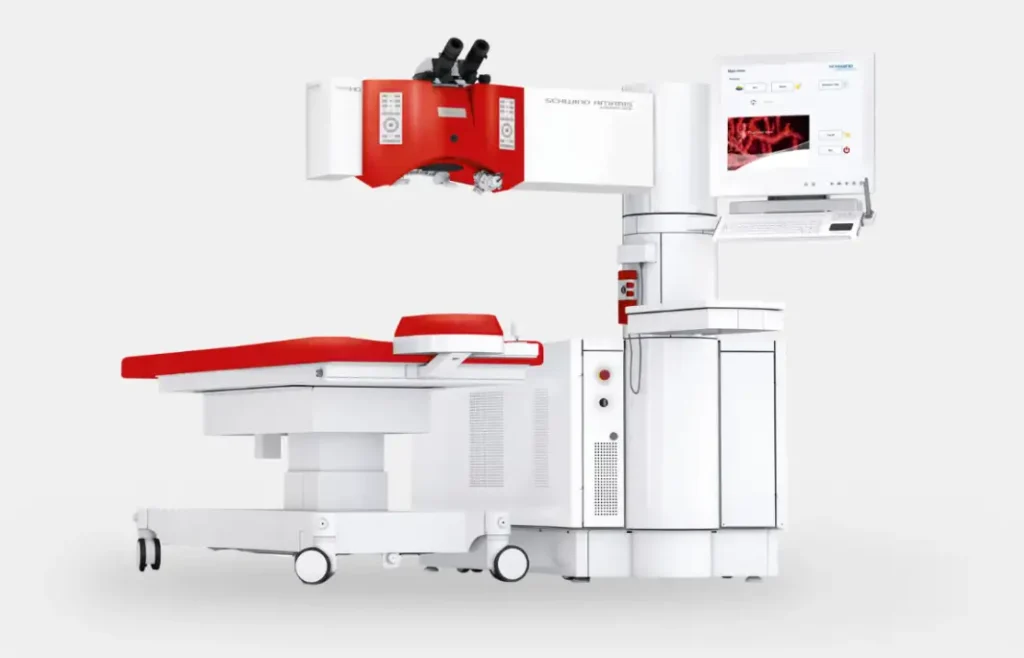

African Americans choose Korea eye surgery because South Korea offers experienced ophthalmologists, advanced procedures such as SMILE PRO, LASIK, and EVO ICL, comprehensive eye examinations, modern technology, and competitive pricing. Korean eye clinics focus on personalized treatment planning, safety, and long-term visual outcomes for international patients.
koreaeyeclinic.com
African Americans are increasingly choosing Korea eye surgery through medical tourism because South Korea is recognized for advanced ophthalmology, experienced eye surgeons, and innovative vision correction technologies. From SMILE PRO and LASIK to EVO ICL and premium cataract surgery, Korean eye clinics combine comprehensive diagnostics, personalized treatment plans, and internationally competitive pricing, making the country one of the world’s most trusted destinations for safe, high-quality eye care in 2026.
Table of Contents

Why Are African Americans Visiting Korea for Eye Surgery?
South Korea has emerged as one of the world’s leading destinations for ophthalmology and vision correction. Every year, international patients—including a growing number of African Americans—travel to Korea for advanced eye surgery because of its experienced ophthalmologists, cutting-edge technology, comprehensive eye examinations, and internationally competitive pricing.
Many patients seek procedures such as SMILE PRO, LASIK, LASEK, EVO ICL implantation, cataract surgery, and presbyopia correction. Korea’s reputation is built not only on technological innovation but also on meticulous preoperative screening and individualized treatment planning, which are essential for achieving safe, long-term visual outcomes.
Unlike cosmetic tourism focused solely on affordability, Korean ophthalmology emphasizes evidence-based medicine, patient safety, and selecting the most appropriate procedure for each patient’s unique eye anatomy and lifestyle.
Why South Korea Is a Global Leader in Eye Surgery
South Korea has invested heavily in ophthalmic technology and clinical research over the past two decades.
Many leading eye hospitals utilize:
- AI-assisted diagnostic imaging
- Corneal tomography
- Optical coherence tomography (OCT)
- Wavefront aberrometry
- Digital retinal imaging
- High-speed femtosecond laser systems
- Excimer laser platforms
- Advanced intraocular lens (IOL) technologies
These diagnostic tools allow ophthalmologists to evaluate the entire visual system before recommending surgery.
Rather than recommending laser vision correction to every patient, experienced surgeons first determine whether surgery is appropriate based on corneal thickness, tear film quality, pupil size, refractive error, retinal health, and overall ocular condition.
Why African American Patients Choose Korea for Eye Surgery
Several factors contribute to Korea’s growing popularity among African American medical travelers.
1. Comprehensive Eye Examinations
Unlike brief consultations sometimes associated with high-volume refractive surgery centers, many Korean eye clinics perform extensive testing before surgery.
A comprehensive evaluation may include:
- Vision testing
- Corneal thickness measurement
- Corneal topography
- Dry eye assessment
- Retinal examination
- Eye pressure measurement
- Pupil size evaluation
- Tear production testing
This thorough screening helps identify patients who may not be ideal candidates for certain procedures.
2. Access to Advanced Vision Correction Technologies
Korean ophthalmology centers frequently offer multiple vision correction options rather than relying on one technique.
Common procedures include:
SMILE PRO
SMILE PRO is one of the newest minimally invasive laser vision correction procedures.
Potential advantages include:
- Small corneal incision
- Faster recovery
- Reduced postoperative dry eye in many patients
- Minimal disruption of corneal nerves
Suitability depends on individual refractive error and corneal anatomy.
LASIK
LASIK remains one of the world’s most commonly performed refractive surgeries.
Benefits may include:
- Rapid visual recovery
- Minimal discomfort
- High patient satisfaction
- Long-term refractive stability for appropriately selected patients
LASEK
LASEK may be recommended for patients with:
- Thin corneas
- Contact sports participation
- Certain corneal characteristics
Recovery generally takes longer than LASIK but may be preferable for selected individuals.
EVO ICL
Implantable Collamer Lens (ICL) surgery offers another option for patients with:
- High myopia
- Thin corneas
- Dry eye concerns
- Patients unsuitable for laser surgery
Because the cornea remains largely untouched, ICL can be an excellent alternative for carefully selected patients.
Cataract Surgery in Korea
Many international patients also travel to Korea for cataract surgery.
Modern cataract surgery involves removing the clouded natural lens and replacing it with an artificial intraocular lens.
Premium lens options include:
- Monofocal IOL
- Multifocal IOL
- Extended Depth of Focus (EDOF)
- Toric lenses for astigmatism
The choice depends on lifestyle, occupational needs, and ocular health.
Why Technology Alone Is Not Enough
Patients often focus on laser brands or the newest equipment.
However, successful eye surgery depends on multiple factors:
- Surgeon experience
- Appropriate patient selection
- Accurate diagnostics
- Surgical planning
- Postoperative care
- Patient compliance
Modern technology supports excellent outcomes, but physician expertise remains the most important determinant of success.
Does Race Affect Eye Surgery?
One common question is whether African American patients require different surgical approaches.
For refractive surgery, race itself is generally not the determining factor.
Instead, ophthalmologists evaluate:
- Corneal thickness
- Corneal curvature
- Dry eye severity
- Refractive error
- Healing characteristics
- General eye health
However, African Americans have a higher prevalence of certain eye conditions, including glaucoma, making comprehensive screening particularly important before elective surgery.
Appropriate preoperative evaluation helps identify any conditions requiring treatment before vision correction.
International Patient Experience
Many Korean eye hospitals have established international patient centers offering:
- English-speaking coordinators
- Airport transportation assistance
- Medical record translation
- Appointment scheduling
- Follow-up coordination
- Travel support
This streamlined process reduces barriers for overseas visitors.
What Happens During the Treatment Journey?
Step 1: Online Consultation
Patients often submit:
- Prescription information
- Previous eye examination results
- Medical history
- Current medications
This preliminary review helps determine whether travel is appropriate.
Step 2: Comprehensive Eye Examination
Upon arrival, patients undergo several hours of diagnostic testing.
These examinations help determine:
- Surgical eligibility
- Best procedure
- Expected outcomes
- Potential risks
Some patients learn that surgery is not recommended—a sign of responsible clinical practice rather than a negative outcome.
Step 3: Surgical Procedure
Most laser vision correction procedures are completed within minutes.
Patients remain awake using anesthetic eye drops.
The surgery itself is generally painless, although temporary pressure sensations may occur.
Step 4: Recovery
Recovery depends on the procedure.
| Procedure | Typical Recovery |
|---|---|
| SMILE PRO | 1–3 days |
| LASIK | 1–3 days |
| LASEK | 5–10 days |
| EVO ICL | Several days to one week |
| Cataract Surgery | Several days with continued healing over weeks |
Individual healing varies.
Why Korea Offers Competitive Pricing
Compared with many private ophthalmology centers in North America, Korean eye surgery is often competitively priced.
Contributing factors include:
- High surgical volume
- Advanced healthcare infrastructure
- Domestic medical device industry
- Efficient clinic operations
- Competitive medical marketplace
Patients should compare total value rather than choosing solely based on price.
Safety Considerations
Every surgical procedure carries potential risks.
Possible complications include:
- Dry eye
- Glare
- Halos
- Temporary blurred vision
- Infection (rare)
- Corneal complications
- Residual refractive error
Careful patient selection significantly reduces these risks.
Patients should ask:
- Am I a good candidate?
- What procedure is recommended?
- Why is this option preferred?
- What are the alternatives?
- What complications should I understand?
Practical Tips Before Traveling
Before visiting Korea:
- Stop wearing contact lenses as instructed before evaluation.
- Bring previous eye examination records.
- Inform your surgeon about medications.
- Arrange several days for follow-up.
- Avoid rubbing your eyes after surgery.
- Use prescribed eye drops exactly as directed.
FAQs

Why do African Americans choose Korea eye surgery through medical tourism?
Many patients choose African Americans Korea eye surgery because South Korea offers experienced ophthalmologists, advanced diagnostic technology, personalized treatment plans, and internationally competitive pricing. Korea medical tourism eye surgery is known for high medical standards, comprehensive preoperative evaluations, and modern vision correction procedures.
Is Korea eye surgery safe for African American patients?
Yes. Korea eye surgery is considered safe when performed by qualified ophthalmologists using comprehensive diagnostic testing and evidence-based surgical planning. Reputable clinics offering LASIK Korea for international patients and SMILE PRO Korea prioritize individualized care, patient safety, and thorough postoperative follow-up.
What eye surgery procedures are most popular in Korea?
The most common procedures include SMILE PRO Korea, LASIK, LASEK, EVO ICL implantation, and premium cataract surgery. During Korea medical tourism eye surgery, ophthalmologists recommend the most appropriate procedure based on corneal thickness, refractive error, eye health, and the patient’s lifestyle.
How much does Korea eye surgery cost compared with the United States?
The cost of African Americans Korea eye surgery is often lower than treatment at many private eye centers in the United States while maintaining high standards of care. Pricing varies depending on the procedure, surgeon experience, technology used, and postoperative care included in the treatment plan.
Why is South Korea one of the best destinations for eye surgery?
South Korea is a global leader in Korea medical tourism eye surgery because of its experienced ophthalmologists, advanced technologies such as SMILE PRO Korea, comprehensive eye examinations, multilingual patient services, and strong commitment to patient safety. These advantages make Korea a preferred destination for international patients seeking long-term vision correction.
Conclusion
South Korea has become one of the world’s premier destinations for ophthalmology by combining experienced surgeons, sophisticated diagnostic technology, evidence-based treatment planning, and efficient international patient services. For African American travelers, the appeal extends beyond cost savings to include access to comprehensive eye care tailored to each individual’s ocular health and vision goals.
Whether considering SMILE PRO, LASIK, EVO ICL, or cataract surgery, patients benefit most from thorough preoperative evaluation, realistic expectations, and careful postoperative follow-up. By prioritizing safety, expertise, and personalized care, Korean eye clinics continue to attract patients seeking high-quality vision correction and long-term eye health.
References
- American Academy of Ophthalmology (AAO). Preferred Practice Pattern® Guidelines (2026).
- American Society of Cataract and Refractive Surgery (ASCRS). Patient Education and Refractive Surgery Guidance (2026).
- European Society of Cataract and Refractive Surgeons (ESCRS). Clinical Practice Resources (2026).
- Peer-reviewed publications from Ophthalmology, Journal of Cataract & Refractive Surgery, and JAMA Ophthalmology (current through 2026).