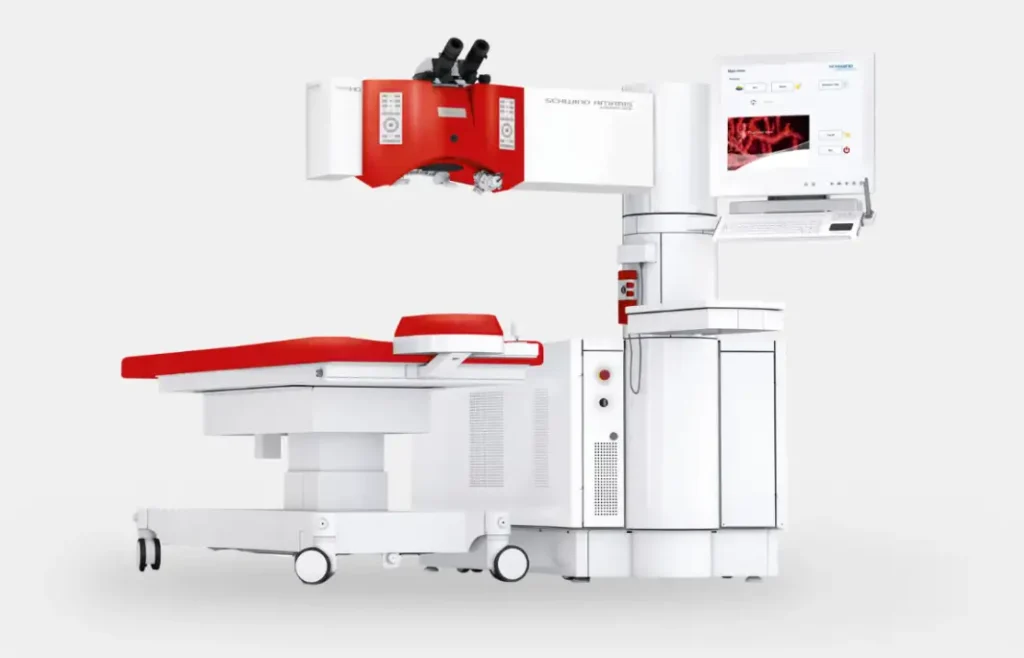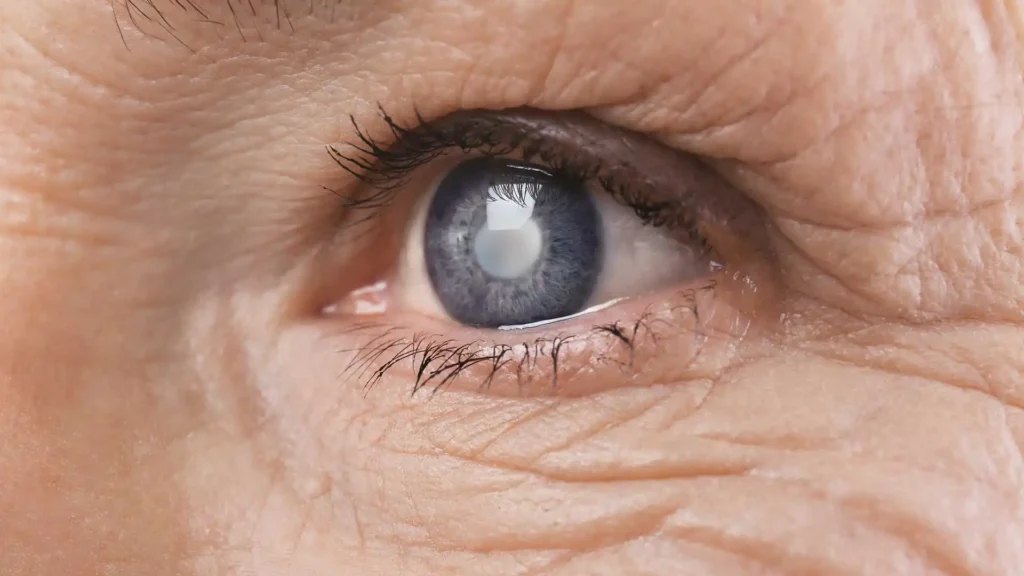

Cataract Surgery in Gangnam, Korea restores clear vision by replacing the eye’s cloudy natural lens with a premium artificial intraocular lens. Gangnam is a leading destination for international patients thanks to experienced ophthalmologists, advanced surgical technology, personalized treatment plans, and efficient recovery programs.
koreaeyeclinic.com
Cataract surgery in Gangnam, Korea is one of the most sought-after vision restoration procedures for both Korean residents and international patients. Modern Korean eye clinics combine advanced diagnostic technology, experienced ophthalmic surgeons, and premium intraocular lens (IOL) options to help restore clear vision with a high level of safety. For many overseas patients, Gangnam offers internationally recognized medical care, shorter waiting times than some countries, and comprehensive support services for medical travelers.
A cataract occurs when the eye’s natural lens becomes cloudy, causing blurred vision, glare, difficulty reading, and reduced night vision. Cataract surgery removes the cloudy lens and replaces it with an artificial intraocular lens (IOL). Today, it is considered one of the most successful and commonly performed surgical procedures worldwide when performed on appropriately selected patients.
Table of Contents

What Is Cataract Surgery?
Cataract surgery is a microsurgical procedure designed to restore vision by removing the eye’s clouded natural lens and replacing it with a clear artificial lens called an intraocular lens (IOL).
Unlike glasses, which improve vision externally, cataract surgery addresses the underlying cause of vision loss by replacing the affected lens itself.
Most procedures in Korea are performed as outpatient surgery under local anesthesia, allowing patients to return home the same day.
Why Do International Patients Choose Gangnam for Cataract Surgery?
Gangnam has become one of Korea’s leading medical districts, attracting patients from Asia, the Middle East, Europe, North America, and Australia.
Several factors contribute to its popularity:
- Highly experienced ophthalmic surgeons
- Modern diagnostic imaging and surgical technology
- Premium multifocal and toric lens options
- Efficient scheduling with minimal waiting periods
- English-speaking coordinators and interpreter services
- Convenient transportation from Incheon International Airport
- High standards of infection control and patient safety
Many clinics also provide dedicated international patient centers that assist with appointment scheduling, accommodation recommendations, airport transfers, and postoperative follow-up planning.
What Causes Cataracts?
A cataract develops when proteins inside the eye’s natural lens gradually break down and clump together, causing cloudiness that interferes with light reaching the retina.
Common causes include:
- Aging
- Diabetes
- Long-term steroid medication use
- Previous eye injuries
- Smoking
- Excessive ultraviolet (UV) exposure
- Certain inherited conditions
Although aging is the most common cause, cataracts may also occur in younger adults or, rarely, children.
Common Symptoms of Cataracts
Symptoms often develop gradually and may include:
- Blurred or cloudy vision
- Difficulty driving at night
- Increased glare from headlights
- Colors appearing faded or yellowish
- Frequent changes in eyeglass prescriptions
- Double vision in one eye
- Increased sensitivity to bright lights
Patients often describe the experience as looking through a foggy or dirty window.
When Is Cataract Surgery Recommended?
Surgery is generally recommended when cataracts begin interfering with daily activities rather than based solely on the cataract’s appearance.
Examples include:
- Difficulty reading
- Problems driving safely
- Trouble recognizing faces
- Reduced work performance
- Poor vision despite updated glasses
Modern ophthalmologists emphasize improving quality of life rather than waiting until cataracts become “mature.”
How Cataract Surgery Is Performed
Step 1: Comprehensive Eye Examination
Before surgery, ophthalmologists evaluate:
- Cataract severity
- Corneal health
- Retina condition
- Eye pressure
- Tear film quality
- Overall eye measurements for IOL calculation
Advanced optical biometers help determine the appropriate lens power with high precision.
Step 2: Local Anesthesia
Most patients receive anesthetic eye drops rather than general anesthesia.
The procedure is generally painless, though mild pressure sensations may occur.
Step 3: Phacoemulsification
Most Korean clinics perform phacoemulsification.
During this procedure:
- A tiny incision is created.
- Ultrasound energy breaks the cloudy lens into small fragments.
- The fragments are removed.
- A folded artificial lens is inserted through the same incision.
- The lens unfolds naturally inside the eye.
The incision is usually self-sealing and often does not require stitches.
Step 4: Recovery
Patients typically rest briefly before returning home the same day.
Vision often begins improving within several days, although complete healing may take several weeks depending on individual circumstances.
Types of Intraocular Lenses (IOLs)
Selecting the appropriate IOL is one of the most important decisions in cataract surgery.
Monofocal Lens
Provides excellent distance vision.
Patients generally require reading glasses afterward.
Suitable for:
- Patients prioritizing sharp distance vision
- Individuals seeking a cost-effective option
Multifocal Lens
Designed to reduce dependence on glasses by providing vision at multiple distances.
Advantages:
- Improved near vision
- Better intermediate vision
- Greater lifestyle convenience
Not every patient is an ideal candidate, particularly those with certain retinal conditions.
Toric Lens
Corrects astigmatism in addition to cataracts.
Recommended for patients with significant corneal astigmatism.
Extended Depth of Focus (EDOF) Lens
Provides a continuous range of vision with fewer visual disturbances than some multifocal designs.
Increasingly popular among active adults.
Recovery After Cataract Surgery
Most patients recover quickly.
Typical recovery timeline:
First 24 Hours
- Mild irritation
- Blurred vision
- Protective eye shield at night
First Week
- Vision becomes noticeably clearer
- Eye drops reduce inflammation and prevent infection
One Month
- Most healing completed
- Final vision assessment
- Updated glasses if needed
Patients should avoid:
- Heavy lifting
- Swimming
- Eye rubbing
- Dusty environments
- Eye makeup for the recommended period
Cataract Surgery Cost in Gangnam, Korea (2026)
Costs vary depending on several factors:
- Type of intraocular lens
- Surgeon experience
- Diagnostic testing
- Technology used
- Follow-up care
Patients selecting premium multifocal or toric lenses generally pay more than those choosing standard monofocal lenses.
International patients should request a detailed written estimate that includes:
- Consultation
- Diagnostic testing
- Surgery
- Lens cost
- Medications
- Follow-up appointments
Transparent pricing helps avoid unexpected expenses.
Is Cataract Surgery Safe?

Cataract surgery has one of the highest success rates among surgical procedures when performed by experienced ophthalmic surgeons.
Modern safety measures include:
- Sterile operating environments
- Advanced imaging technology
- Small-incision techniques
- Precise IOL calculations
- Careful postoperative monitoring
Although complications are uncommon, they may include:
- Infection
- Retinal detachment
- Inflammation
- Swelling
- Posterior capsule opacification
- Increased eye pressure
Prompt follow-up care is important if patients experience severe pain, sudden vision loss, or increasing redness.
How Long Should International Patients Stay in Korea?
Most overseas patients remain in Korea for approximately one week, although individual recommendations vary.
A typical schedule may include:
Day 1:
- Initial consultation
- Eye examination
Day 2:
- Surgery
Days 3–5:
- Postoperative check
Day 6–7:
- Final evaluation before departure
Patients requiring surgery in both eyes may need a longer stay depending on the treatment plan.
Choosing the Right Eye Clinic in Gangnam
When evaluating clinics, international patients should consider more than cost alone.
Important factors include:
- Board-certified ophthalmologists
- Extensive cataract surgery experience
- Modern surgical equipment
- Comprehensive eye examinations
- Availability of premium IOL options
- Transparent pricing
- Multilingual patient support
- Emergency postoperative care
- International patient services
Reading verified patient reviews and asking detailed questions during consultation can help patients make informed decisions.

FAQs
How much does Cataract Surgery in Gangnam, Korea cost?
The cost of Cataract Surgery in Gangnam, Korea depends on the eye clinic in Gangnam, the surgeon’s experience, diagnostic testing, and whether you choose a standard or premium intraocular lens Korea. International patients should request a detailed treatment estimate that includes consultations, surgery, lens selection, medications, and follow-up care.
Why do international patients choose Cataract Surgery in Gangnam, Korea?
Many international patients choose Cataract Surgery in Gangnam, Korea because leading eye clinics in Gangnam offer experienced ophthalmologists, advanced diagnostic equipment, premium intraocular lens Korea options, multilingual coordinators, and efficient treatment schedules that reduce waiting times while maintaining high standards of patient safety.
What is the recovery time after Cataract Surgery in Gangnam, Korea?
Most patients notice clearer vision within several days after Cataract Surgery in Gangnam, Korea, while complete healing typically occurs within four to six weeks. Your ophthalmologist will recommend follow-up visits, prescribed eye drops, and temporary activity restrictions to support a smooth recovery.
Which premium intraocular lens Korea option is best for cataract surgery?
The best premium intraocular lens Korea depends on your vision goals, eye health, and lifestyle. Monofocal, multifocal, toric, and extended depth of focus (EDOF) lenses each offer different advantages. An experienced eye clinic in Gangnam will perform detailed eye measurements to recommend the most appropriate lens.
How long should international patients stay in Korea for Cataract Surgery?
Most international patients undergoing Cataract Surgery in Gangnam, Korea stay for approximately one week to complete consultations, surgery, and postoperative examinations. Patients requiring treatment in both eyes or additional monitoring may need a longer stay based on their individualized treatment plan.
References
- American Academy of Ophthalmology (AAO). Cataract in the Adult Eye Preferred Practice Pattern®. American Academy of Ophthalmology, updated clinical practice guideline for cataract diagnosis, patient selection, surgical management, intraocular lens selection, and postoperative care.
- National Eye Institute (NEI). Cataract Surgery. U.S. National Institutes of Health. Comprehensive patient guide covering indications, surgical procedure, recovery timeline, risks, complications, and expected visual outcomes.
- World Health Organization (WHO). Summary of Recommendations for Quality of Care in Cataract Surgery Management. Geneva: World Health Organization, 2026. Evidence-based recommendations covering preoperative assessment, intraoperative quality standards, postoperative care, and global cataract surgery quality improvement.
- European Society of Cataract and Refractive Surgeons (ESCRS). ESCRS Recommendations for Cataract Surgery. Evidence-based European clinical guidelines addressing patient selection, intraocular lens choice, perioperative management, complication prevention, and postoperative care.
- Korean Society of Cataract and Refractive Surgery (KSCRS). Cataract Surgery Practice in the Republic of Korea: A Survey of the Korean Society of Cataract and Refractive Surgery 2020. Korean Journal of Ophthalmology. 2021;35(4):272–279. This nationwide survey summarizes current cataract surgery practices in Korea, including phacoemulsification techniques, premium intraocular lens use, optical biometry, femtosecond laser-assisted surgery, and postoperative management trends.