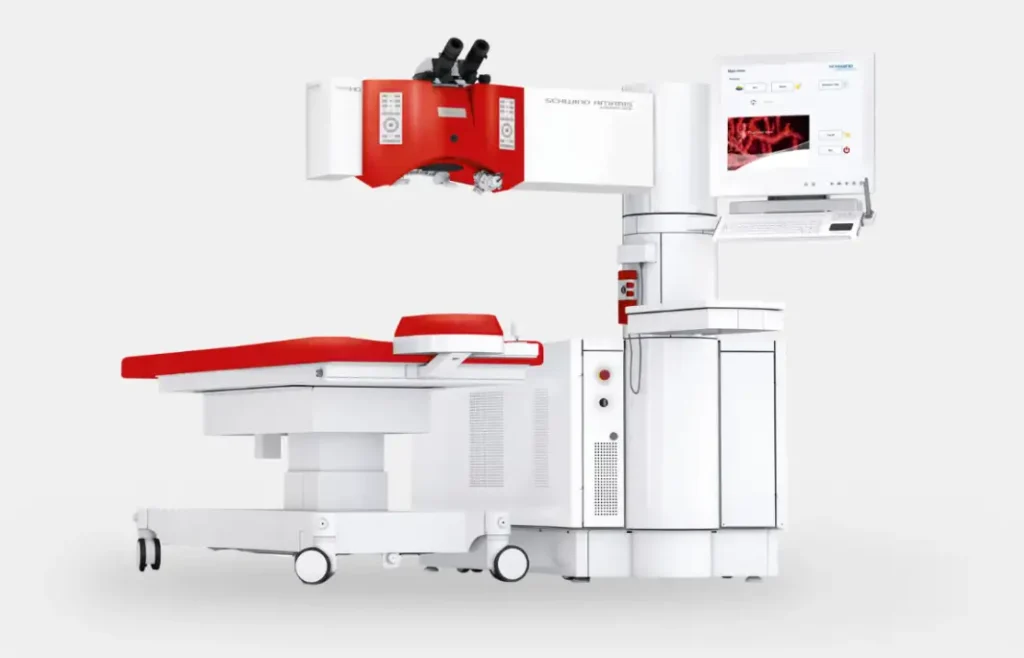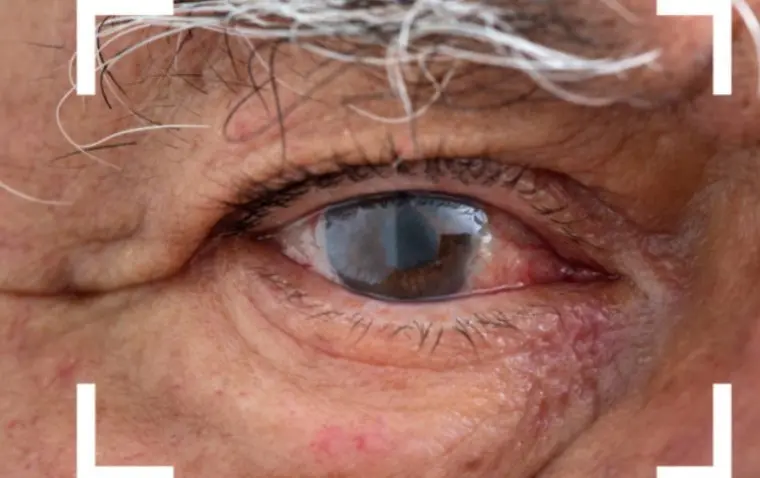

Cataract surgery in Gangnam, Seoul safely removes cloudy lenses and restores clear vision using advanced techniques like laser-assisted surgery and premium IOL implants. Patients experience rapid recovery and improved near, intermediate, and distance vision, reducing or eliminating dependence on glasses for everyday activities.
BSM Eye Care Clinic in Gangnam
Cataract surgery in Gangnam, Seoul, Korea is a highly effective, safe, and minimally invasive procedure that removes the eye’s clouded natural lens and replaces it with a clear artificial lens to restore sharp vision. Using world‑class technology and experienced ophthalmologists, patients often regain clear sight within days and significantly improve quality of life.
Cataracts develop when the eye’s natural lens becomes cloudy with age, causing blurry vision, glare sensitivity, and difficulty with everyday tasks like reading and night driving. Modern cataract surgery — especially with premium intraocular lenses (IOLs) — not only clears vision but can also correct astigmatism and presbyopia simultaneously.
Table of Contents

What Is Cataract Surgery? A Clear, Evidence‑Based Overview
A cataract is an age‑related condition where the crystalline lens inside the eye loses transparency, impairing visual clarity. When cataracts interfere with daily activities, surgical removal of the cloudy lens is the only effective treatment.
Cataract surgery involves:
- Phacoemulsification: Ultrasonic energy breaks up the clouded lens.
- Lens removal: The cloudy natural lens is gently removed.
- IOL implantation: A custom intraocular lens replaces the natural lens.
This outpatient procedure usually takes 10–30 minutes per eye under local anesthesia, with minimal discomfort and rapid vision improvement.
Why Choose Gangnam, Seoul for Cataract Surgery? Advanced Care + Expert Surgeons
Gangnam (a premier medical district in Seoul) is internationally recognized for advanced ophthalmic care, offering several advantages:
- Highly Skilled Ophthalmologists: Surgeons with years of experience in complex lens surgeries and refractive treatments.
- Cutting‑Edge Technology: Laser‑assisted cataract surgery and precise IOL placement using top‑tier diagnostic systems.
- Premium Lens Options: A wide selection of monofocal, multifocal, toric, and trifocal IOLs tailored to lifestyle needs.
- English‑Friendly Services: Multilingual support and personalized care for international patients.
- Competitive Pricing: High‑quality standards with transparent costs compared to many Western countries.
These factors make Gangnam a top destination for both Korean residents and medical tourists seeking trusted cataract solutions.
Types of Intraocular Lenses (IOLs): Choosing the Right Lens
Selecting the right IOL is central to both cataract correction and post‑surgery visual goals:
| IOL Type | Vision Outcome | Best For |
|---|---|---|
| Monofocal IOL | Clear vision at one distance (usually distance) | Patients needing glasses for reading |
| Toric IOL | Corrects astigmatism plus cataract | Those with significant astigmatism |
| Multifocal IOL | Vision at near, intermediate, and far distances | Reducing dependence on glasses |
| Trifocal IOL | Even more refined multi‑distance vision | Active adults wanting full spectacle independence |
Multifocal and trifocal IOLs often reduce or eliminate the need for reading glasses, but some patients may require adaptation time or experience mild glare or halos.
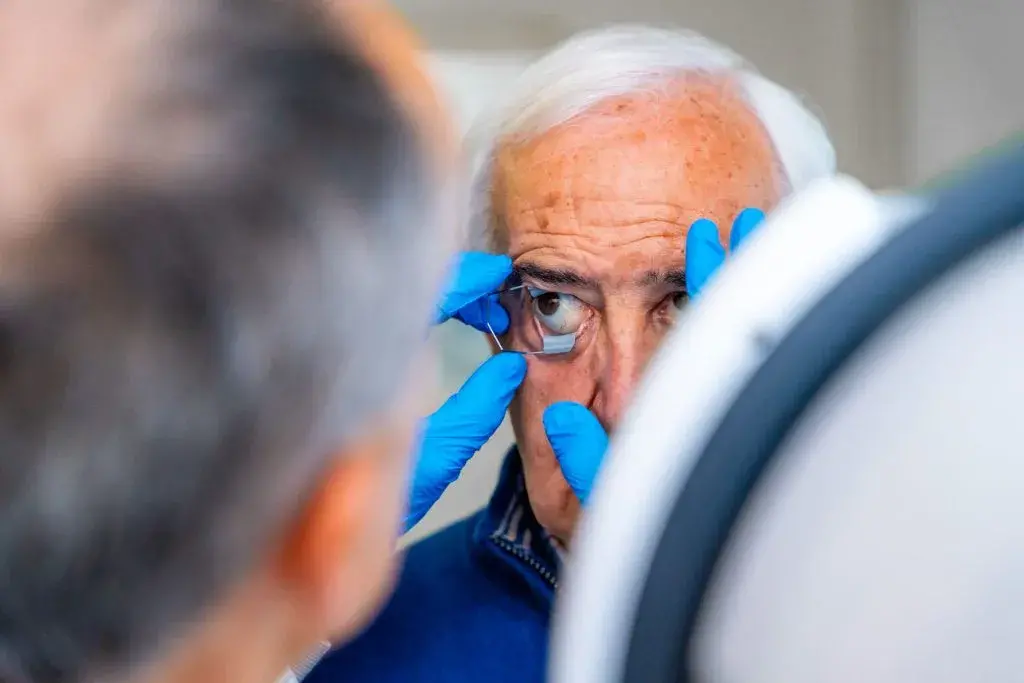
Step‑by‑Step: What to Expect During Your Cataract Surgery
1. Comprehensive Pre‑Surgical Evaluation
A detailed eye examination including:
- Corneal topography
- Optical biometry
- Retinal health assessment
- Dry‑eye screening
This ensures the most accurate lens power selection and surgical planning.
2. The Procedure
- Topical anesthesia applied.
- A micro‑incision is made in the cornea.
- The cataract is broken up and removed.
- A clear IOL is implanted and centered.
3. Recovery & Aftercare
Most patients notice significant improvement in vision within 24–48 hours. By 1–2 weeks, daily activities can be resumed, with final visual stabilization occurring over the first month.
Safety, Risks, and Clinical Outcomes — What the Evidence Says
Cataract surgery is one of the most common and successful surgical procedures worldwide, with success rates exceeding 98% in properly selected patients.
Common, Manageable Side Effects
- Mild dry eye
- Light sensitivity
- Temporary glare or halos with premium IOLs
These typically improve with time or supportive care.
Rare but Clinically Important Risks
- Posterior capsule opacification (PCO) — treatable with a quick laser procedure
- Infection or inflammation — minimized through antibiotics
- Very rare retinal detachment or severe complications
Surgeon experience and precise technology significantly reduce risk incidence.
Cataract Surgery Cost in Gangnam, Seoul (2026 Approximation)
While prices vary by clinic and lens type, current ranges include:
- Standard cataract surgery + monofocal IOL: ~$1,900–$2,300 USD per eye
- Premium multifocal or trifocal IOL surgery: ~$2,800–$3,600 USD per eye
- Both eyes (complete treatment): ~$4,500–$7,000 USD total
Most plans include pre‑op evaluation, surgery, and post‑op care.
Real‑World Clinical Insights: Visual Freedom After Cataract Surgery
In clinical practice, patients who opt for premium multifocal or trifocal lenses report:
- Improved ability to read, use digital devices, and drive at night without glasses
- Rapid enhancement in quality of life and independence
- Minimal downtime after the procedure
Careful pre‑surgical counseling ensures patients’ expectations align with predicted visual outcomes. Personalized lens selection and surgical precision are key factors in consistently high satisfaction rates.
Conclusion: Safe, Proven, and Personalized Vision Care
Cataract surgery in Gangnam, Seoul, Korea combines global standard surgical expertise, advanced lens technologies, and personalized patient planning to deliver clearer, brighter vision with minimal discomfort and rapid recovery. Whether you’re seeking basic cataract removal or advanced presbyopia‑correcting lenses, Gangnam’s ophthalmology centers offer evidence‑based care tailored to individual needs.
If you notice progressive blur, glare, or difficulty with daily visual tasks, consulting a qualified ophthalmologist in Gangnam can help determine the right timing and surgical plan to restore your vision and improve your daily life.
FAQs
What is cataract surgery and how does it work?
Cataract surgery Gangnam Seoul removes the eye’s cloudy lens and replaces it with a clear intraocular lens. Laser-assisted procedures and premium IOL implants restore sharp near, intermediate, and distance vision.
Who is a good candidate for cataract surgery in Gangnam?
Adults experiencing blurred or cloudy vision due to cataracts are ideal candidates. Options include premium IOL implants and laser-assisted cataract surgery for rapid recovery and improved vision.
What are the benefits of cataract surgery?
Benefits include clear vision at multiple distances, reduced dependence on glasses, fast recovery, and personalized correction with premium IOL implants or laser-assisted techniques.
How long is the recovery period after cataract surgery in Seoul?
Most patients notice improved vision within 24–48 hours. Full adaptation to premium IOL implants or laser-assisted cataract surgery typically occurs within 1–2 weeks.
Is cataract surgery safe and effective in Gangnam clinics?
Yes, clinics in Gangnam, Seoul follow international standards. Cataract surgery with premium IOL implants and laser-assisted techniques is evidence-based, safe, and offers high patient satisfaction.