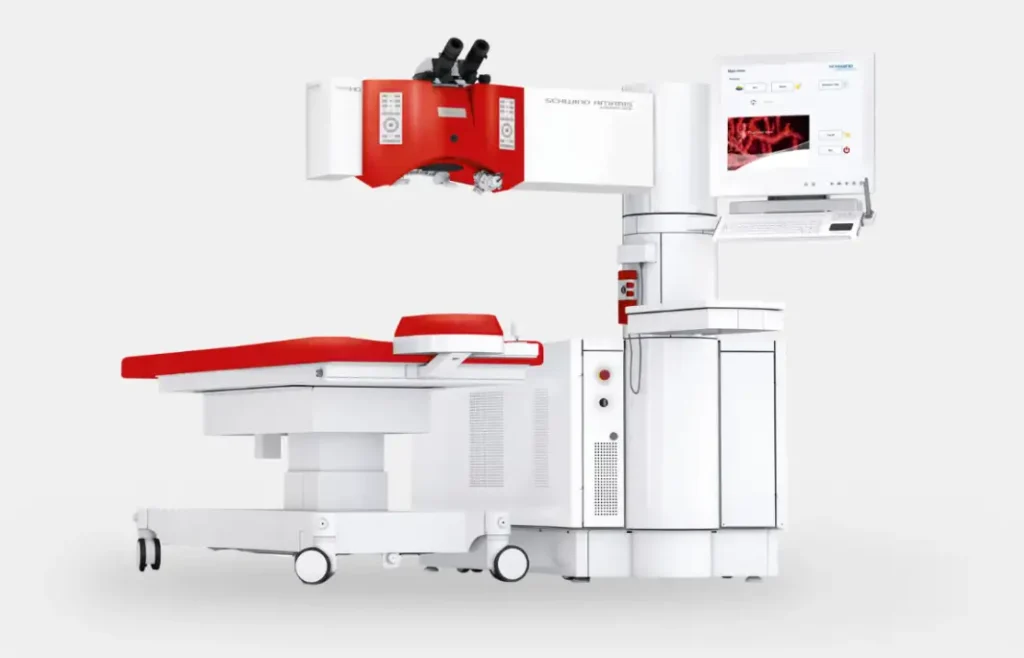

Presbyopia surgery in Gangnam, Seoul restores near and distance vision for adults over 40. Using advanced procedures like PresbyLASIK or multifocal IOL implants, experienced ophthalmologists provide safe, effective, and personalized solutions to reduce dependence on reading glasses quickly and with minimal recovery time.
BSM Eye Care Clinic in Gangnam
Presbyopia surgery in Gangnam, Seoul, Republic of Korea refers to medically advanced procedures designed to correct age‑related loss of near vision—often eliminating (or significantly reducing) the need for reading glasses. These procedures can involve laser corneal reshaping, multifocal/extended depth intraocular lenses (IOLs), or lens‑based implants that restore clear focus for both near and distance vision.
In Gangnam (Seoul’s medical district known for high‑end ophthalmology), eye surgeons use internationally standardized protocols, cutting‑edge laser and diagnostic technologies, and personalized planning to optimize outcomes. Patients typically experience noticeable improvement in near vision within 24–48 hours post‑surgery.
Table of Contents
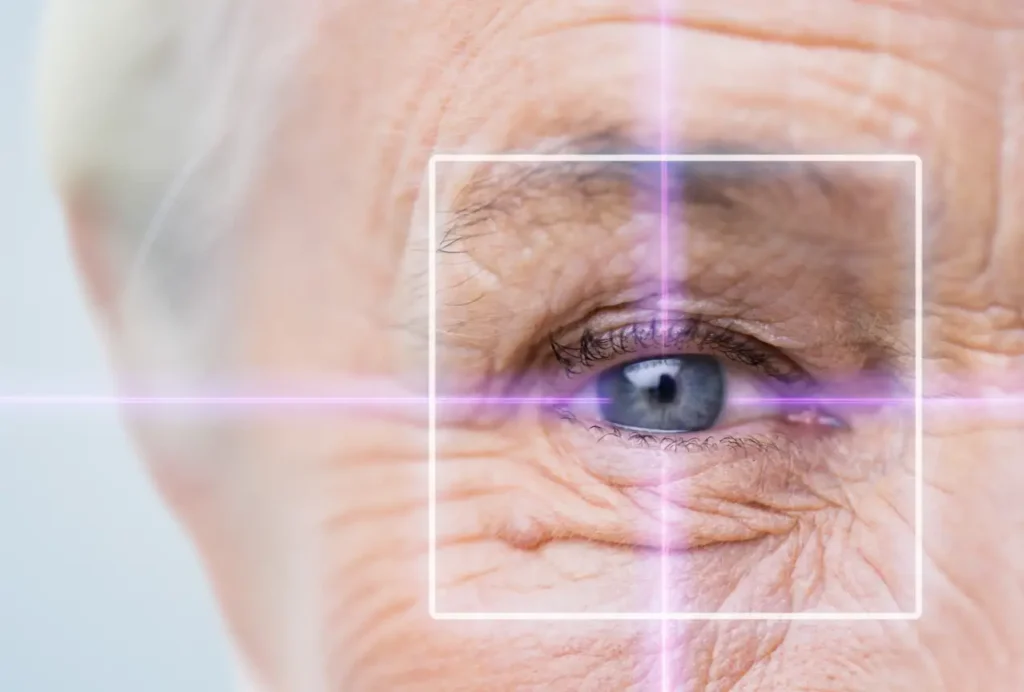
What Is Presbyopia?
Presbyopia is a normal, age‑related change in the eye’s focusing ability, typically beginning around age 40–45. It occurs because the natural crystalline lens gradually loses elasticity, making it harder to focus on close objects (e.g., print or smartphone screens). Glasses and contact lenses are traditional solutions, but surgical approaches aim to restore natural focus without external aids.
Presbyopia vs Cataract — Key Difference
- Presbyopia: Loss of near focus due to lens stiffness.
- Cataract: Clouding of the natural lens causing blurry or dim vision.
When both conditions coexist, a combined cataract + presbyopia surgery can remove the cloudy lens and replace it with a presbyopia‑correcting implant.
Core Treatment Options for Presbyopia Surgery in Gangnam
1. PresbyLASIK & Corneal Refractive Surgery
- A custom laser reshapes the cornea to create multiple focal zones for near and distance vision (essentially a “built‑in multifocal cornea”).
- Benefits: Quick recovery (days), minimally invasive, no lens implant.
- Best for patients with mild to moderate presbyopia and good corneal thickness.
2. Monovision Laser Corrections
- One eye is optimized for distance vision, the other for near.
- Offers functional near vision with relatively simple laser techniques.
- Option for early presbyopia or patients reluctant to have a lens implant.
3. Multifocal / EDOF Intraocular Lens (IOL) Implants
- During cataract or lens exchange surgery, surgeons remove the natural lens and implant a premium multifocal, trifocal, or extended depth of focus (EDOF) lens.
- These lenses enable clear vision at near, intermediate, and far distances—maximizing spectacle‑free outcomes.
- Often the preferred choice for patients over 50 or with early cataracts.
4. Presbyopia‑Correcting ICL (Implantable Collamer Lens)
- A phakic lens implanted inside the eye without removing the natural lens, preserving the eye’s structure.
- Suitable for patients with thin corneas, high myopia, or those not ideal for LASIK/SMILE.
5. SMILE With Presbyopia Optimization
- Some clinics integrate advanced SMILE algorithms for presbyopia correction, enabling a minimally invasive corneal approach with enhanced focus outcomes.
Clinical Experience and Real‑World Patient Outcomes
Patient journey in Gangnam clinics typically includes:
- Comprehensive Diagnostic Mapping – including corneal topography, axial length, ocular surface health, and dry‑eye evaluation.
- Customized Surgical Planning – individual focus zones and lens choices tailored to lifestyle and visual needs.
- Laser or Implant Procedure – lasting 10–30 minutes under local anesthesia.
- Recovery & Follow‑Up – most patients see improvement in near and distance vision within 24–48 hours, with full stabilization in 2–6 weeks.
Premium IOL implants in Korea have high satisfaction rates, especially with multifocal and EDOF lenses that reduce dependence on reading glasses.
Who Is a Good Candidate?

| Candidate Feature | Suitability |
|---|---|
| Age 40+ with near vision decline | Excellent |
| Early cataracts present | Strong candidate (combined surgery) |
| Myopia or astigmatism plus presbyopia | Good with multifocal or SMILE options |
| Thin cornea | Good candidate for ICL approach |
| Eye disease (e.g., glaucoma) | Requires specialist evaluation |
Benefits and Limitations
Benefits
- Spectacle independence: Many patients achieve clear near and distance vision without glasses.
- High precision: Advanced diagnostics and femtosecond/laser guidance improve predictability.
- Fast recovery: Most patients resume normal activities within days.
Limitations & Risks
No surgical solution is risk‑free. In rare scenarios:
- Halos or glare can occur with multifocal IOLs.
- Dry eye symptoms post‑laser procedures.
- Visual adaptation varies by individual.
These risks are typically discussed during preoperative counseling.
Cost Considerations in Korea (2026 Standards)
Estimated ranges in Seoul (KRW / USD):
- PresbyLASIK: ₩2.5M–₩3.5M (≈ $1,900–$2,600)
- Monovision LASIK/LASEK: ₩1.5M–₂.2M ($1,100–$1,650)
- Multifocal IOL Implants: ₩4.5M–₩6.5M ($3,400–$4,900)
- Presbyopia ICL: ₩4M–₩6M ($3,000–$4,500)
These costs often include consultation, diagnostics, surgery, and post‑op care. Prices vary by clinic, surgeon expertise, and lens model.
Why Choose Gangnam, Seoul?
Gangnam is a global medical hub for ophthalmology, attracting international patients due to:
- Highly trained ophthalmologists with university hospital experience.
- World‑class surgical technology (femtosecond lasers, advanced IOL platforms).
- Rapid scheduling and efficient care tailored for global visitors.
Clinics here offer multilingual support, comprehensive pre‑surgical evaluation, and structured follow‑up programs to ensure quality outcomes.
Practical Patient Advice Before Surgery
- Complete Comprehensive Exam: Including tear quality, retinal health, and ocular surface checks.
- Discuss Visual Expectations: Some lens choices are better suited to certain lifestyles.
- Ask About Enhancements: Some clinics offer wavefront‑guided or blended vision strategies.
- Understand Follow‑Up Commitments: Post‑op visits are key to best outcomes.
Conclusion: Clear Vision Through Expertise
Presbyopia surgery in Gangnam, Seoul combines cutting‑edge technology, rigorous clinical standards, and personalized planning to restore near and distance vision for adults experiencing age‑related decline. With multiple evidence‑based surgical approaches—laser corneal procedures, premium IOLs, and implantable lenses—specialists tailor solutions to each eye’s unique anatomy and patient lifestyle.
If you’re over 40 and struggling with near vision, discussing surgical options with a qualified ophthalmologist in Gangnam can be a logical step toward renewed visual freedom.

FAQs
What is presbyopia surgery and how does it work?
Presbyopia surgery Gangnam Seoul corrects age-related near vision loss by reshaping the cornea (PresbyLASIK) or implanting multifocal IOL lenses, restoring clear focus for both near and distance vision.
Who is a good candidate for presbyopia surgery in Gangnam?
Adults over 40 experiencing difficulty with close-up vision are ideal. Candidates should have healthy eyes and realistic expectations. Options include multifocal IOL implants or PresbyLASIK.
What are the benefits of presbyopia surgery?
Key benefits include restored near vision, reduced reliance on glasses, fast recovery, and personalized correction using near vision correction techniques like PresbyLASIK or multifocal lenses.
How long does it take to recover from presbyopia surgery in Gangnam?
Recovery is typically rapid. Most patients notice improved near vision within 24–48 hours, while full adaptation to multifocal IOL implants or laser procedures occurs within 2–6 weeks.
Is presbyopia surgery safe and effective in Seoul clinics?
Yes, clinics in Gangnam, Seoul follow international standards with expert ophthalmologists. Techniques like PresbyLASIK and multifocal IOL implants are evidence-based, providing safe, reliable near vision correction.