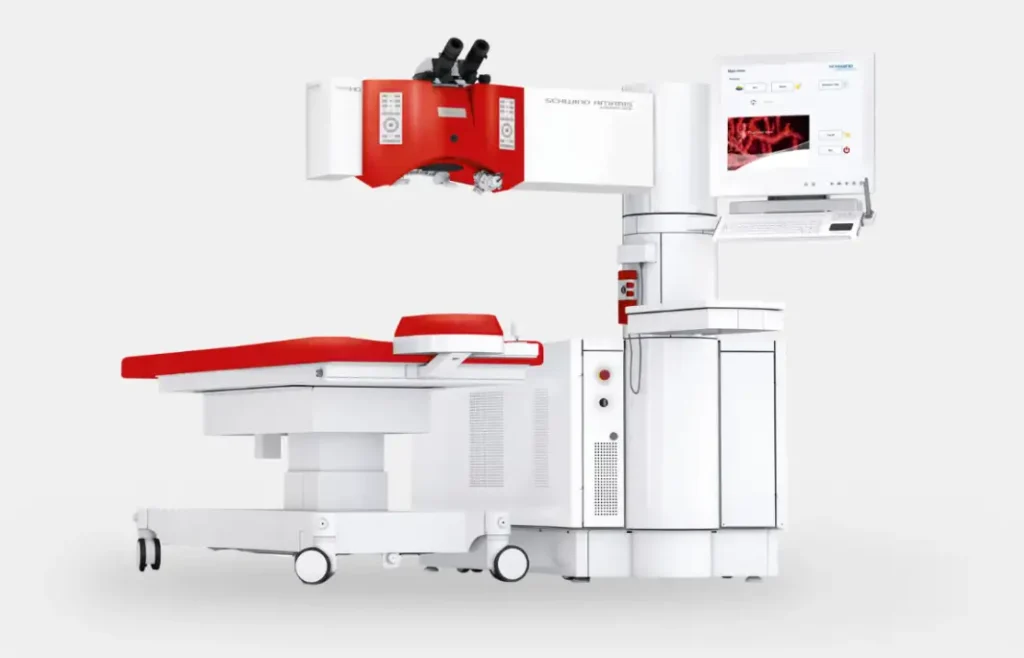

Refractive surgery in Gangnam Seoul includes SMILE, LASIK, LASEK, and implantable lens procedures. Leading clinics provide precise corneal mapping, modern laser systems, and experienced surgeons to correct myopia, hyperopia, and astigmatism safely, offering rapid recovery and long-term visual stability for patients.
koreaeyeclinic.com
If you are considering refractive surgery in Gangnam, Seoul, Korea, the direct answer is this: Gangnam is one of Asia’s leading centers for laser and lens-based vision correction, offering advanced procedures such as SMILE, LASIK, LASEK, and implantable lens surgery (ICL) with high surgical volume, modern diagnostic technology, and structured safety protocols. Located in Gangnam, a premier medical district of Seoul, patients have access to comprehensive corneal screening, customized laser platforms, and experienced ophthalmic surgeons trained in refractive subspecialties.
This 2026 expert guide explains what refractive surgery is, who qualifies, available procedures, risks, recovery timelines, costs, and how to choose a reputable clinic based on evidence-based standards.
Table of Contents

What Is Refractive Surgery?
Refractive surgery refers to medical procedures that permanently reshape or modify the eye’s focusing ability to reduce dependence on glasses or contact lenses. It corrects:
- Myopia (nearsightedness)
- Hyperopia (farsightedness)
- Astigmatism
- Presbyopia (age-related near vision decline)
These procedures either:
- Reshape the cornea using a laser
- Implant a corrective lens inside the eye
The goal is precise light focusing onto the retina for clearer uncorrected vision.
Why Gangnam Is a Global Refractive Surgery Hub
Gangnam has developed into a high-volume ophthalmic district known for:
- Board-certified refractive surgeons
- Advanced femtosecond and excimer laser systems
- Corneal tomography and biomechanical screening
- Wavefront-guided and topography-guided treatments
- Multilingual services for international patients
High procedural volume correlates with improved surgical refinement and complication management. Clinics in Gangnam often perform thousands of refractive procedures annually.
Types of Refractive Surgery Available in Gangnam (2026)
1. SMILE (Small Incision Lenticule Extraction)
A minimally invasive laser procedure that removes a small lenticule from inside the cornea through a tiny incision.
Advantages:
- No corneal flap
- Reduced dry eye risk
- Strong corneal biomechanical preservation
- Fast recovery
Best for moderate to high myopia.
2. LASIK (Laser-Assisted In Situ Keratomileusis)
Creates a thin corneal flap before reshaping underlying tissue with an excimer laser.
Advantages:
- Rapid visual recovery
- Minimal discomfort
- Long track record of safety
Less ideal for thin corneas.
3. LASEK / PRK (Surface Ablation)
Removes or loosens the corneal epithelium before laser reshaping.
Advantages:
- No flap
- Suitable for thin corneas
- Lower structural risk in certain patients
Recovery takes longer compared to LASIK or SMILE.
4. ICL (Implantable Collamer Lens)
An implantable lens placed behind the iris without removing corneal tissue.
Advantages:
- Reversible
- Excellent for very high myopia
- No corneal thinning
Requires intraocular procedure.
How Refractive Surgery Works (Step-by-Step Overview)
Although techniques vary, the general process includes:
- Comprehensive eye examination
- Corneal thickness and topography assessment
- Tear film evaluation
- Prescription stability confirmation
- Surgical planning
- Procedure (10–20 minutes)
- Structured post-operative follow-up
Diagnostic screening is the most critical safety step.
Who Is a Good Candidate?
Ideal candidates:
- Age 18–45 (laser procedures)
- Stable prescription for 12 months
- Healthy corneas
- No active eye disease
- Realistic expectations
Patients over 45 may require presbyopia solutions or lens-based procedures.
Clinical Safety Standards in Gangnam
Modern refractive surgery follows guidelines from:
- American Academy of Ophthalmology (AAO)
- European Society of Cataract & Refractive Surgeons (ESCRS)
- Korean Ophthalmological Society
Key safety elements include:
- Residual stromal bed thickness calculation
- Ectasia risk assessment
- Ocular surface optimization before surgery
- Transparent enhancement policy
Risks and Potential Complications
All surgeries carry risk. Possible complications include:
- Undercorrection or overcorrection
- Temporary dry eye
- Night glare or halos
- Flap complications (LASIK)
- Corneal haze (surface procedures)
- Ectasia (rare with proper screening)
In high-standard Gangnam clinics, severe complications are uncommon due to strict screening protocols.
Recovery Timeline Comparison
| Procedure | Functional Vision | Full Stabilization |
|---|---|---|
| SMILE | 1–2 days | 1–3 months |
| LASIK | 1–2 days | 1–2 months |
| LASEK | 5–7 days | 3 months |
| ICL | 1–3 days | 1–2 months |
Individual healing varies.
Real Clinical Scenario
A 30-year-old office worker with:
- −6.00D myopia
- Mild dry eye
- 520 µm corneal thickness
After corneal mapping:
- SMILE recommended due to reduced dry eye risk
- Surgery duration: 15 minutes
- Returned to work in 3 days
- Achieved 20/20 vision at 1 month
Proper screening determined safest option—not marketing preference.
Cost of Refractive Surgery in Gangnam (2026)
Approximate pricing (both eyes):
- SMILE: 1.8–3.5 million KRW
- LASIK: 1.5–3 million KRW
- LASEK: 1.2–2.5 million KRW
- ICL: 4–7 million KRW
Cost varies based on:
- Surgeon experience
- Technology platform
- Diagnostic package
- Post-operative care length
Long-Term Outcomes
Peer-reviewed studies show:
- 90–98% achieve 20/20 or better (procedure dependent)
- High long-term stability
- Low enhancement rates
- Improved quality of life scores
Aging-related presbyopia still occurs naturally.
When to Avoid Refractive Surgery
Surgery may be delayed if:
- Active eye infection
- Severe dry eye
- Unstable prescription
- Pregnancy
- Keratoconus diagnosis
Safety always overrides convenience.
Choosing the Right Clinic in Gangnam
Look for:
- Board-certified ophthalmologist
- Documented surgical case volume
- Modern diagnostic imaging
- Transparent complication rates
- Structured follow-up program
Avoid choosing based solely on lowest advertised price.
Conclusion
Refractive surgery in Gangnam, Seoul, Korea represents one of the most advanced and high-volume ophthalmic environments in Asia. With modern laser platforms, thorough diagnostic screening, and experienced surgeons, patients can safely correct refractive errors when properly evaluated.
Choosing the right procedure requires individualized assessment—not marketing trends. With evidence-based planning and structured follow-up, long-term visual outcomes are strong and predictable.
FAQs
What types of refractive surgery are available in Gangnam Seoul?
Gangnam Seoul offers SMILE, LASIK, LASEK, and implantable lens (ICL) procedures. Clinics provide advanced corneal mapping and wavefront-guided technology to ensure precise and safe vision correction.
Who is a suitable candidate for refractive surgery in Gangnam?
Ideal candidates are adults with stable prescriptions, healthy corneas, and no active eye disease. Patients with thin corneas or dry eyes may be recommended SMILE or LASEK over LASIK for safety.
How long is the recovery period after refractive surgery in Seoul Korea?
Recovery varies: LASIK and SMILE usually restore functional vision in 1–2 days, LASEK takes 5–7 days, and ICL patients typically stabilize in 1–2 weeks. Full visual stabilization may require 1–3 months.
Is refractive surgery safe in Gangnam Seoul for international patients?
Yes. Many Gangnam clinics offer multilingual consultations, strict preoperative screening, and modern surgical technology, providing safe and high-standard care for international patients seeking vision correction in Seoul Korea.
How much does refractive surgery cost in Gangnam Seoul?
Procedure costs range approximately as follows: SMILE 1.8–3.5 million KRW, LASIK 1.5–3 million KRW, LASEK 1.2–2.5 million KRW, and ICL 4–7 million KRW, depending on surgeon experience, technology, and post-op care packages.