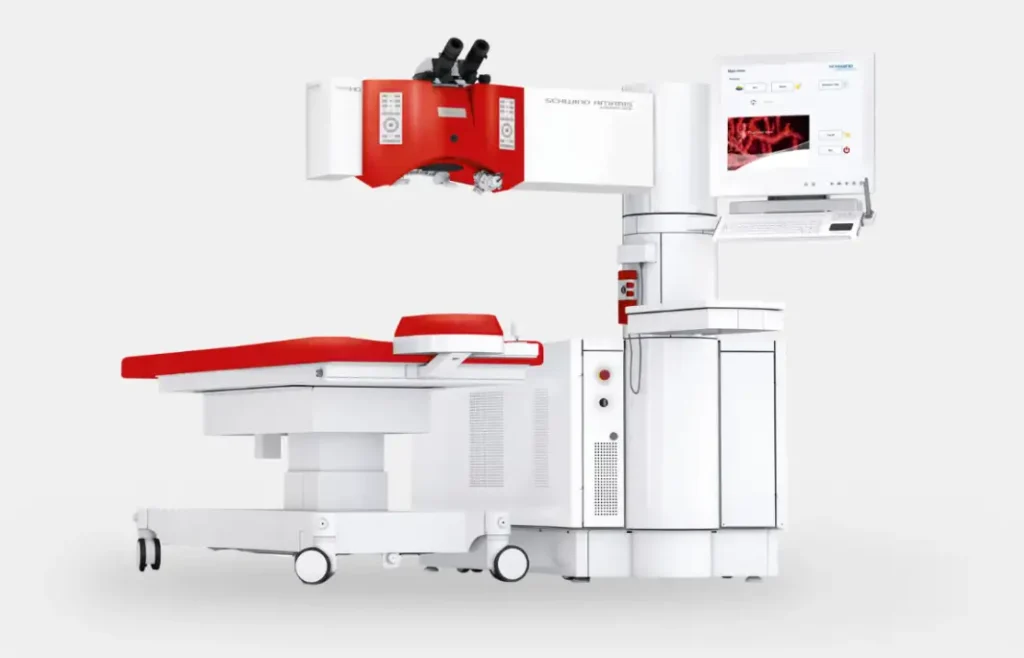

SMART Nova Pro Laser Eye Surgery in Seoul is an advanced wavefront-guided LASIK procedure that reshapes the cornea using high-precision laser technology. It treats myopia and astigmatism with fast recovery, improved night vision quality, and customized correction, making it a leading 2026 vision correction option in Korea.
BSM Eye Care Clinic in Gangnam
SMART Nova Pro Laser Eye Surgery in Seoul is an advanced, next-generation laser vision correction procedure designed to improve nearsightedness (myopia), astigmatism, and in selected cases mild hyperopia using ultra-precise corneal reshaping technology. It integrates high-speed femtosecond laser systems, real-time eye tracking, and customized wavefront-guided mapping to deliver safer, more predictable visual outcomes with faster recovery compared to earlier LASIK techniques.
In 2026, Seoul has become one of Asia’s leading destinations for refractive surgery due to its concentration of experienced corneal surgeons, advanced diagnostic platforms, and rigorous preoperative screening protocols. SMART Nova Pro represents a refinement of modern laser refractive surgery rather than a completely new concept—combining established scientific principles with upgraded precision and safety algorithms.
Table of Contents

What Is SMART Nova Pro Laser Eye Surgery?
Definition:
SMART Nova Pro Laser Eye Surgery is a customized laser refractive procedure that reshapes the cornea to correct refractive errors by using:
- High-resolution corneal topography and tomography
- Wavefront aberrometry (higher-order aberration analysis)
- Femtosecond laser flap creation or flapless precision techniques (depending on patient eligibility)
- High-speed excimer laser corneal ablation with 6D eye tracking
The goal is to improve how light focuses on the retina, reducing or eliminating dependence on glasses or contact lenses.
Who Is It For?
SMART Nova Pro is typically recommended for adults who:
- Are over 18–19 years old
- Have stable refractive error for at least 1 year
- Have healthy corneas with adequate thickness
- Do not have uncontrolled autoimmune or ocular surface disease
Common conditions treated include:
- Myopia (nearsightedness)
- Astigmatism
- Mild hyperopia (farsightedness) in selected candidates
It is not appropriate for patients with advanced keratoconus, severe dry eye disease, or unstable corneal structure.
How SMART Nova Pro Differs from Traditional LASIK
1. Enhanced Corneal Mapping
Modern SMART Nova Pro systems use detailed corneal tomography (not just surface mapping). This allows surgeons to evaluate:
- Posterior corneal curvature
- Corneal thickness distribution
- Biomechanical stability
This reduces the risk of post-surgical ectasia when proper screening is performed.
2. Wavefront-Guided Customization
Instead of correcting only basic refractive power, wavefront-guided technology measures higher-order aberrations such as:
- Coma
- Spherical aberration
- Trefoil
This improves quality of vision, particularly night vision and contrast sensitivity.
3. Advanced Eye Tracking
SMART Nova Pro integrates multi-dimensional eye tracking that compensates for:
- Horizontal and vertical movement
- Rotational (cyclotorsion) shifts
- Micro-movements during laser delivery
This enhances precision and reduces decentration risk.
4. Optimized Laser Pulse Profiles
Modern excimer lasers operate at higher frequencies with smoother ablation patterns. This results in:
- Less thermal stress
- More uniform stromal bed
- Faster epithelial recovery
Step-by-Step: What Happens During the Procedure?
Preoperative Evaluation (Most Critical Step)
In experienced Seoul refractive centers, evaluation typically includes:
- Manifest and cycloplegic refraction
- Corneal topography and tomography
- Tear film and dry eye assessment
- Corneal thickness measurement (pachymetry)
- Pupil size analysis
- Dilated retinal examination
Thorough screening is the primary factor determining safety—not the brand name of the laser.
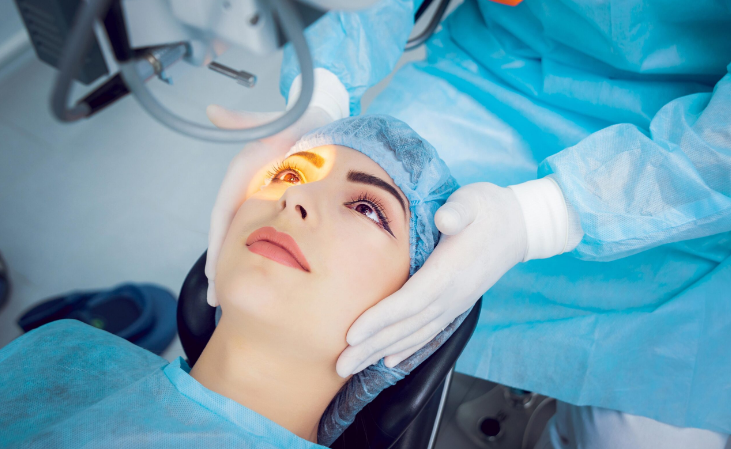
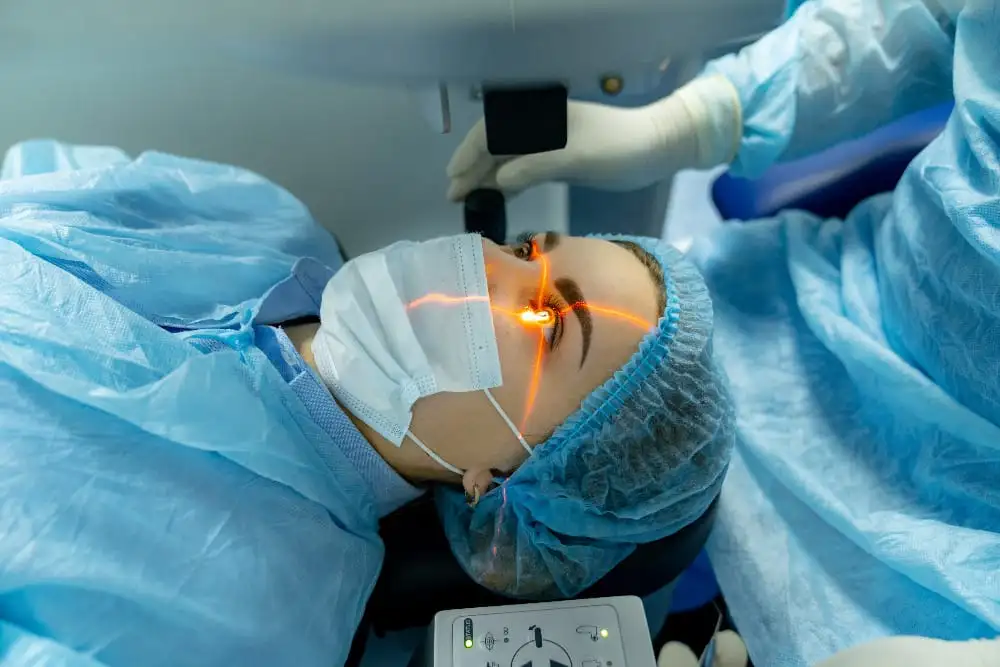
Surgical Day Process
- Topical anesthetic drops applied
- Corneal flap creation (if LASIK-based SMART Nova Pro technique is selected)
- Excimer laser reshaping (typically 10–30 seconds per eye)
- Flap repositioning (if applicable)
- Protective shield placement
Total laser time per eye is short, usually under one minute.
Recovery Timeline
Day 1:
- Vision significantly improved but slightly hazy
- Mild dryness or foreign body sensation
Week 1:
- Most patients resume office work
- Light sensitivity decreases
1 Month:
- Vision stabilizing
- Dryness improving
3–6 Months:
- Final visual outcome
- Neural adaptation complete
Many Seoul clinics schedule structured follow-ups at Day 1, Week 1, 1 Month, and 3 Months.
Clinical Outcomes
Modern LASIK platforms using wavefront-guided systems demonstrate:
- Over 90–95% of patients achieving 20/20 or better uncorrected visual acuity in properly selected cases
- High patient satisfaction rates
- Low complication incidence when screening protocols are followed
Peer-reviewed ophthalmology literature (American Academy of Ophthalmology and European refractive societies) consistently supports laser refractive surgery as safe and effective when performed on suitable candidates.
Outcomes depend more on:
- Surgeon experience
- Screening rigor
- Patient corneal anatomy
Than on marketing terminology.
Risks and Potential Complications
Even with advanced systems likeSMART Nova Pro, risks exist:
Common (Temporary)
- Dry eye symptoms
- Light sensitivity
- Night glare or halos
- Mild fluctuating vision
Less Common
- Undercorrection or overcorrection
- Epithelial ingrowth
- Inflammation
Rare (With Proper Screening)
- Corneal ectasia
- Infection
The most important preventive factor is strict candidate selection.
SMART Nova Pro vs SMILE vs Traditional LASIK
| Feature | SMART Nova Pro (Advanced LASIK) | SMILE | Traditional LASIK |
|---|---|---|---|
| Customization | Wavefront-guided | Limited wavefront | Basic |
| Flap | Yes (thin femtosecond) | No flap | Yes |
| Dry Eye Risk | Moderate | Lower | Moderate |
| Visual Recovery | Fast (1–3 days) | Fast | Fast |
| Astigmatism Precision | High | Moderate-High | Moderate |
In Seoul, many refractive surgeons evaluate all three techniques and recommend based on:
- Corneal thickness
- Refractive degree
- Lifestyle needs
Why Seoul Is a Leading Destination in 2026
Seoul offers:
- High surgical volume (experience concentration)
- Advanced diagnostic platforms
- Transparent pricing structures
- Structured post-op care
Many ophthalmologists in Seoul perform thousands of procedures annually, which statistically correlates with refined surgical skill and complication management capability.
However, patients should prioritize:
- Surgeon board certification
- Transparent preoperative counseling
- Clear risk explanation
- Access to emergency follow-up
Practical Real-World Example
A 29-year-old office worker with -5.00D myopia and mild astigmatism:
- Stable prescription for 3 years
- Normal corneal thickness (540 microns)
- No dry eye disease
After SMART Nova Pro:
- Day 1: 20/25 vision
- Week 1: 20/20
- 3 months: Stable 20/16 vision
Contrast sensitivity improved due to wavefront-guided correction.
Not every patient achieves 20/16, but appropriate candidate selection increases likelihood of excellent outcomes.
Who Should Avoid It?
- Progressive keratoconus
- Unstable refraction
- Severe autoimmune disease
- Pregnancy (temporary hormonal instability)
- Severe uncontrolled dry eye
A detailed consultation determines eligibility.
Long-Term Expectations
Laser vision correction does not prevent:
- Presbyopia after age 40
- Cataract formation later in life
However, it significantly reduces dependency on glasses for distance vision.
Enhancement rates are low but possible, typically under 5% in well-screened populations.
Final Expert Perspective (2026)
SMART Nova Pro Laser Eye Surgery represents the refinement of modern laser refractive technology rather than a revolutionary new category. Its strength lies in:
- Precision customization
- Advanced tracking
- Thorough preoperative screening
For properly selected patients in Seoul, it offers:
- Fast recovery
- High likelihood of 20/20 or better vision
- Strong safety profile
The most critical factor is not the brand of laser—but the experience of the refractive surgeon and the rigor of diagnostic evaluation.
Patients considering SMART Nova Pro should prioritize comprehensive screening, transparent risk discussion, and structured follow-up care to ensure optimal outcomes.

FAQs
What is SMART Nova Pro Laser Eye Surgery in Seoul?
SMART Nova Pro Laser Eye Surgery in Seoul is an advanced vision correction procedure that uses wavefront-guided LASIK Korea technology to reshape the cornea and treat myopia and astigmatism with high precision and fast recovery.
Is SMART Nova Pro safer than traditional LASIK?
SMART Nova Pro Laser Eye Surgery in Seoul uses advanced vision correction Seoul systems such as corneal tomography and 6D eye tracking, which improve treatment accuracy compared to older LASIK platforms when patients are properly screened.
How much does SMART Nova Pro Laser Eye Surgery cost in Seoul?
The laser eye surgery cost Seoul for SMART Nova Pro varies depending on diagnostic testing, surgeon experience, and customization level. A comprehensive consultation is required to determine exact pricing and eligibility.
How long is recovery after SMART Nova Pro Laser Eye Surgery?
Most patients undergoing SMART Nova Pro Laser Eye Surgery in Seoul experience functional vision within 1–3 days. Full stabilization typically occurs within 1–3 months depending on healing response and refractive level.
Who is a good candidate for SMART Nova Pro Laser Eye Surgery in Seoul?
Ideal candidates for SMART Nova Pro Laser Eye Surgery in Seoul are adults with stable prescriptions, healthy corneas, and no progressive eye disease. A full evaluation including corneal mapping and dry eye testing determines suitability.