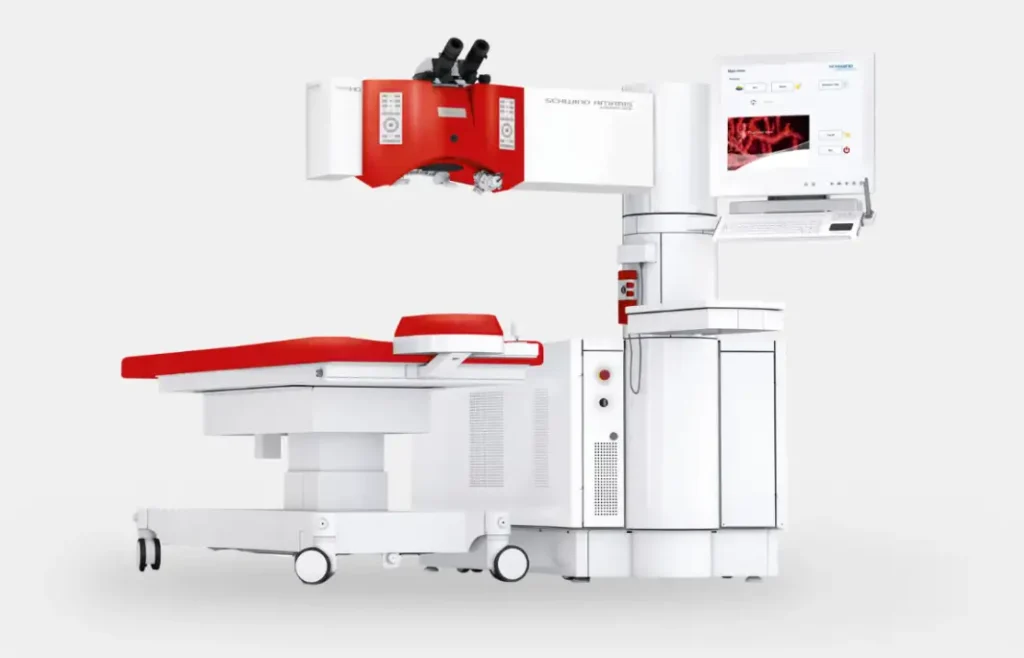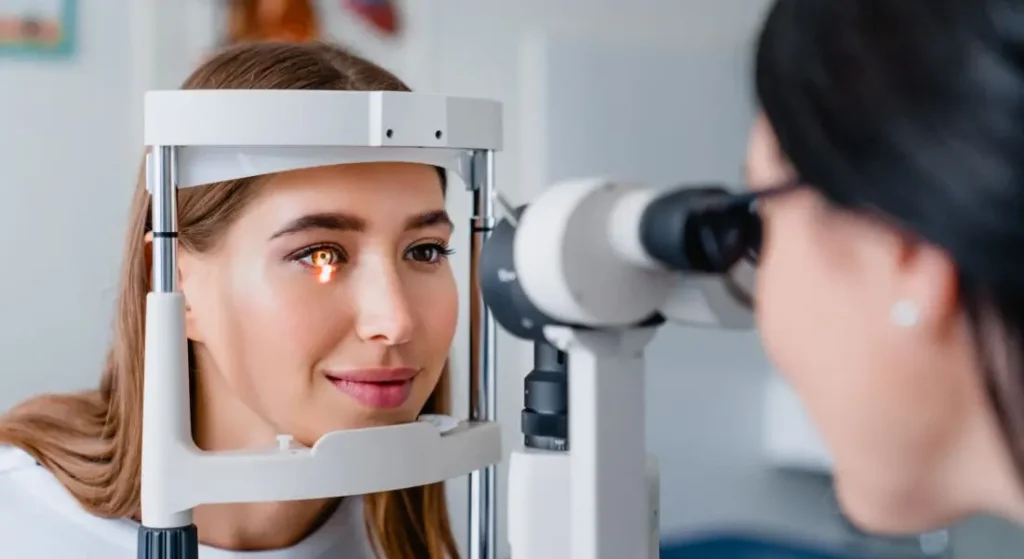

SMILE PRO vs LASIK vs LASEK in Gangnam Seoul depends on your corneal thickness, prescription, lifestyle, and eye health. SMILE PRO offers a flap-free approach with fast recovery, LASIK provides proven long-term results, and LASEK is often suitable for thinner corneas. A comprehensive eye examination determines the best procedure.
BSM Eye Care Clinic in Gangnam
Choosing between SMILE PRO, LASIK, and LASEK depends on your eye health, corneal thickness, lifestyle, occupation, and vision goals—not simply which procedure is the newest. While all three procedures are proven methods of correcting refractive errors such as myopia, astigmatism, and, in some cases, hyperopia, each has distinct advantages, recovery timelines, and suitability criteria. The best option is determined after a comprehensive eye examination performed by an experienced ophthalmologist.
Gangnam, Seoul has become one of Asia’s leading destinations for vision correction surgery, attracting international patients seeking advanced laser technology, experienced refractive surgeons, and efficient treatment schedules. Clinics in Gangnam commonly offer state-of-the-art diagnostic equipment, personalized surgical planning, and multilingual international patient services, allowing overseas visitors to complete consultations, surgery, and follow-up examinations within a relatively short stay.
Table of Contents

What Are SMILE PRO, LASIK, and LASEK?
All three procedures are laser vision correction surgeries designed to reduce or eliminate dependence on glasses or contact lenses by reshaping the cornea so that light focuses correctly on the retina.
Although they share the same goal, the surgical techniques differ significantly.
| Procedure | How It Works | Corneal Flap | Recovery |
|---|---|---|---|
| SMILE PRO | Removes a small lenticule through a tiny incision using a femtosecond laser | No flap | Very fast |
| LASIK | Creates a corneal flap before reshaping the cornea with an excimer laser | Yes | Fast |
| LASEK | Preserves the epithelial layer before laser reshaping | No permanent flap | Slower |
Quick Answer: Which Procedure Is Best?
There is no universally “best” procedure.
Generally:
- SMILE PRO is often preferred for active individuals, athletes, and patients seeking faster recovery with minimal corneal disruption.
- LASIK remains an excellent option for many patients with suitable corneal anatomy who desire rapid visual recovery.
- LASEK may be recommended for patients with thinner corneas or those who are not ideal candidates for flap-based surgery.
The appropriate treatment should always be based on a detailed eye examination rather than patient preference alone.
What Is SMILE PRO?
SMILE PRO (Small Incision Lenticule Extraction Pro) is the newest evolution of minimally invasive laser vision correction.
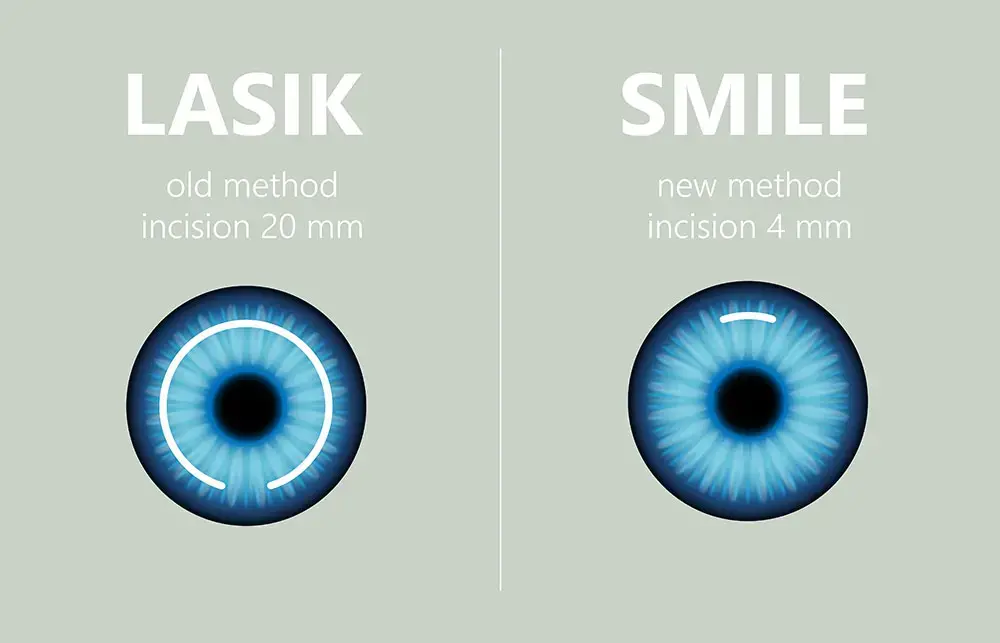
Instead of creating a corneal flap, the laser forms a thin lenticule inside the cornea, which is removed through a tiny incision measuring only a few millimeters.
This preserves more of the cornea’s natural biomechanics compared with traditional flap procedures.
Advantages
- No large corneal flap
- Smaller incision
- Reduced corneal nerve disruption
- Rapid visual recovery
- Lower incidence of postoperative dry eye in appropriate patients
- Suitable for active lifestyles
Limitations
SMILE PRO may not be appropriate for every refractive error or corneal condition.
Patients with significant hyperopia or certain irregular corneal diseases may require alternative procedures.
Understanding LASIK
LASIK has been one of the world’s most widely performed refractive surgeries for decades.
The procedure involves creating a thin corneal flap using either a femtosecond laser or microkeratome.
After lifting the flap, an excimer laser reshapes the underlying cornea before repositioning the flap.
Advantages
- Excellent long-term clinical outcomes
- Fast recovery
- Minimal discomfort
- Extensive scientific evidence
- Suitable for many prescriptions
Considerations
Because LASIK involves creating a flap, surgeons evaluate:
- Corneal thickness
- Corneal stability
- Occupational risks
- Contact sports participation
Although flap complications are uncommon, preserving flap integrity remains an important consideration.
Understanding LASEK
LASEK differs significantly from LASIK.
Instead of creating a corneal flap, only the thin epithelial layer is temporarily moved before laser treatment.
The epithelium gradually heals over several days.
Advantages
- No permanent corneal flap
- Appropriate for selected thin corneas
- Preserves more stromal tissue
- Good long-term visual outcomes
Limitations
Recovery is slower.
Patients commonly experience:
- Temporary discomfort
- Light sensitivity
- Blurry vision during healing
- Several days before functional vision returns
SMILE PRO vs LASIK vs LASEK Comparison
| Feature | SMILE PRO | LASIK | LASEK |
|---|---|---|---|
| Surgical Time | Very short | Short | Short |
| Corneal Flap | No | Yes | No |
| Recovery Speed | Excellent | Excellent | Moderate |
| Initial Discomfort | Minimal | Minimal | Higher |
| Dry Eye Risk | Lower in many patients | Low to moderate | Low |
| Sports Suitability | Excellent | Good | Excellent |
| Thin Corneas | Sometimes | Limited | Often suitable |
| Vision Stabilization | Fast | Fast | Slower |
How Surgeons Decide Which Procedure Is Right
Experienced refractive surgeons evaluate multiple factors—not just prescription.
These include:
Corneal Thickness
Thin corneas may limit eligibility for LASIK.
SMILE PRO or LASEK may preserve more corneal tissue depending on individual measurements.
Corneal Shape
Advanced corneal topography evaluates:
- Keratoconus risk
- Corneal symmetry
- Irregular astigmatism
Abnormal findings may exclude laser surgery altogether.
Degree of Nearsightedness
Patients with high myopia often require careful evaluation.
In some cases, implantable collamer lenses (EVO ICL) may provide a better solution than laser surgery.
Dry Eye Assessment
Many international patients spend long hours using computers.
Pre-existing dry eye syndrome significantly influences surgical planning.
Clinics frequently perform:
- Tear break-up time
- Tear production testing
- Meibomian gland evaluation
Treating dry eye before surgery often improves postoperative comfort.
Lifestyle
Lifestyle matters.
Examples include:
Office Professionals
SMILE PRO or LASIK often provide quicker return to work.
Athletes
Contact sports participants frequently appreciate flap-free procedures.
Military Personnel
Certain occupations may have specific vision correction requirements.
Why International Patients Choose Gangnam, Seoul
Gangnam is home to many specialized ophthalmology centers equipped with advanced diagnostic and laser platforms.
Common reasons international patients travel to Seoul include:
- Experienced refractive surgeons
- Advanced imaging technology
- Comprehensive preoperative evaluations
- Efficient scheduling
- Multilingual coordinators
- Transparent treatment planning
- Convenient transportation
Many clinics accommodate short-term visitors by arranging examinations, surgery, and early postoperative follow-up within several days.
Typical Patient Journey
Day 1
- Registration
- Comprehensive eye examination
- Corneal imaging
- Dry eye evaluation
- Surgical consultation
Day 2
- Vision correction surgery
Day 3
- First postoperative examination
Depending on recovery and travel plans, additional follow-up may occur before departure, with long-term monitoring coordinated through the patient’s local eye care provider if needed.
Recovery Timeline
SMILE PRO
Day 1
- Mild discomfort
- Functional vision for many patients
Week 1
- Vision continues improving
1 Month
- Most patients achieve stable visual outcomes
LASIK
Day 1
- Rapid improvement
Week 1
- Vision generally stabilizing
1 Month
- Continued fine visual refinement
LASEK
Days 1–4
- More discomfort
- Protective contact lens
Week 1
- Epithelial healing
Several Weeks
- Progressive visual improvement
Who Is Not a Good Candidate?
Laser vision correction may not be recommended for patients with:
- Progressive keratoconus
- Unstable prescriptions
- Active eye infections
- Severe untreated dry eye
- Pregnancy or breastfeeding (temporary consideration)
- Certain autoimmune diseases affecting healing
Every candidate requires individualized assessment.
Questions to Ask Before Surgery
Before choosing a procedure, ask:
- Which procedure best matches my corneal measurements?
- Am I a candidate for SMILE PRO?
- What are the expected visual outcomes?
- What complications are possible?
- What technology will be used?
- How many similar procedures has the surgeon performed?
- What postoperative care is included?
FAQs
What is the difference between SMILE PRO vs LASIK vs LASEK in Gangnam Seoul?
The main difference between SMILE Pro vs LASIK vs LASEK in Gangnam Seoul is the surgical technique. SMILE PRO Korea uses a small-incision, flap-free procedure, LASIK surgery Gangnam creates a corneal flap before laser correction, while LASEK eye surgery Seoul preserves the corneal surface, making it suitable for selected patients with thinner corneas.
Which vision correction procedure offers the fastest recovery?
Among SMILE PRO vs LASIK vs LASEK in Gangnam Seoul, both SMILE PRO Korea and LASIK surgery Gangnam typically provide faster visual recovery than LASEK eye surgery Seoul. Most patients resume normal daily activities within a few days, while LASEK usually requires a longer healing period.
Who is the best candidate for SMILE PRO, LASIK, or LASEK?
The ideal procedure depends on your eye examination results. SMILE PRO Korea is often recommended for active individuals and patients seeking a flap-free option, LASIK surgery Gangnam suits many patients with healthy corneas, and LASEK eye surgery Seoul may be preferred for those with thinner corneas or specific anatomical considerations.
Is it safe for international patients to have vision correction surgery in Gangnam Seoul?
Yes. Many international patients choose SMILE PRO vs LASIK vs LASEK in Gangnam Seoul because experienced ophthalmologists use advanced diagnostic technology, personalized treatment planning, and internationally recognized surgical techniques. Most clinics also provide multilingual support and customized follow-up care.
How long should international patients stay in Korea after vision correction surgery?
The recommended stay depends on whether you choose SMILE PRO Korea, LASIK surgery Gangnam, or LASEK eye surgery Seoul. Many international patients stay between 3 and 7 days to complete preoperative examinations, surgery, and the first postoperative follow-up before returning home, although your ophthalmologist will recommend a schedule based on your individual recovery.
Conclusion
Choosing between SMILE PRO, LASIK, and LASEK in Gangnam, Seoul is not about selecting the newest or most popular procedure—it is about identifying the safest and most effective option for your unique eyes.
Modern refractive surgery relies on detailed diagnostic testing, individualized treatment planning, and experienced surgical judgment. Factors such as corneal thickness, refractive error, ocular surface health, occupation, and lifestyle all influence the optimal approach.
For international patients considering vision correction in Korea, Gangnam offers access to advanced ophthalmic technology, experienced refractive surgeons, and structured care pathways that make high-quality treatment both accessible and efficient. The most important step is a comprehensive consultation, where your ophthalmologist can determine which procedure aligns with your anatomy, visual goals, and long-term eye health.
References
- American Academy of Ophthalmology. Laser Refractive Surgery (LASIK, PRK, SMILE). https://www.aao.org/eye-health/treatments/lasik
- American Society of Cataract and Refractive Surgery. LASIK, PRK, and SMILE Patient Information. https://www.ascrs.org
- U.S. Food and Drug Administration. LASIK Surgery Information. https://www.fda.gov/medical-devices/lasik
- National Eye Institute. Refractive Errors and Vision Correction. https://www.nei.nih.gov
- European Society of Cataract and Refractive Surgeons. Clinical guidance and educational resources on refractive surgery. https://www.escrs.org
- ZEISS Medical Technology. SMILE PRO Technology Overview. https://www.zeiss.com/meditec
- International Society of Refractive Surgery. Educational resources on refractive surgery. https://isrs.org
- Reinstein DZ, Archer TJ, Gobbe M. Small Incision Lenticule Extraction (SMILE PRO): History, Fundamentals, and Clinical Outcomes. Journal of Refractive Surgery.
- Cochrane. Systematic reviews on refractive surgery outcomes and safety. https://www.cochranelibrary.com
- National Library of Medicine>. PubMed Database – Peer-reviewed studies comparing SMILE, LASIK, and LASEK. https://pubmed.ncbi.nlm.nih.gov